
At a glanceBefore hiring Municipal Solar Lighting, ask about their system’s efficiency, warranty, and local experience. Ensure they’re familiar with your area’s climate and lighting needs, as well as any maintenance and monitoring services they offer, to guarantee a bright and reliable solution for your streets or public spaces.
Key Takeaways
- Evaluate their experience in designing and installing solar lighting systems specific to municipal applications.
- Inquire about the types of technology used and ensure they are up-to-date and efficient.
- Understand their approach to site assessment, including consideration of shading, weather patterns, and maintenance access.
- Ask for references from previous municipal clients to review project outcomes and satisfaction levels.
- Discuss warranty coverage and after-sales support to gauge their commitment to long-term performance and reliability.
- Consider their understanding of local regulations and permitting processes, ensuring compliance from the outset.
- Request detailed cost breakdowns to ensure pricing is transparent and aligns with your budget expectations.
As cities strive to become more sustainable and environmentally friendly, the adoption of Municipal Solar Lighting has gained significant traction. However, transitioning to solar power is not without its challenges. Before investing in this technology, several critical questions must be asked to ensure its effectiveness and longevity. This article serves as a comprehensive guide, providing insights into the key considerations when evaluating Municipal Solar Lighting solutions, empowering municipalities to make informed decisions that drive eco-friendly urban development.
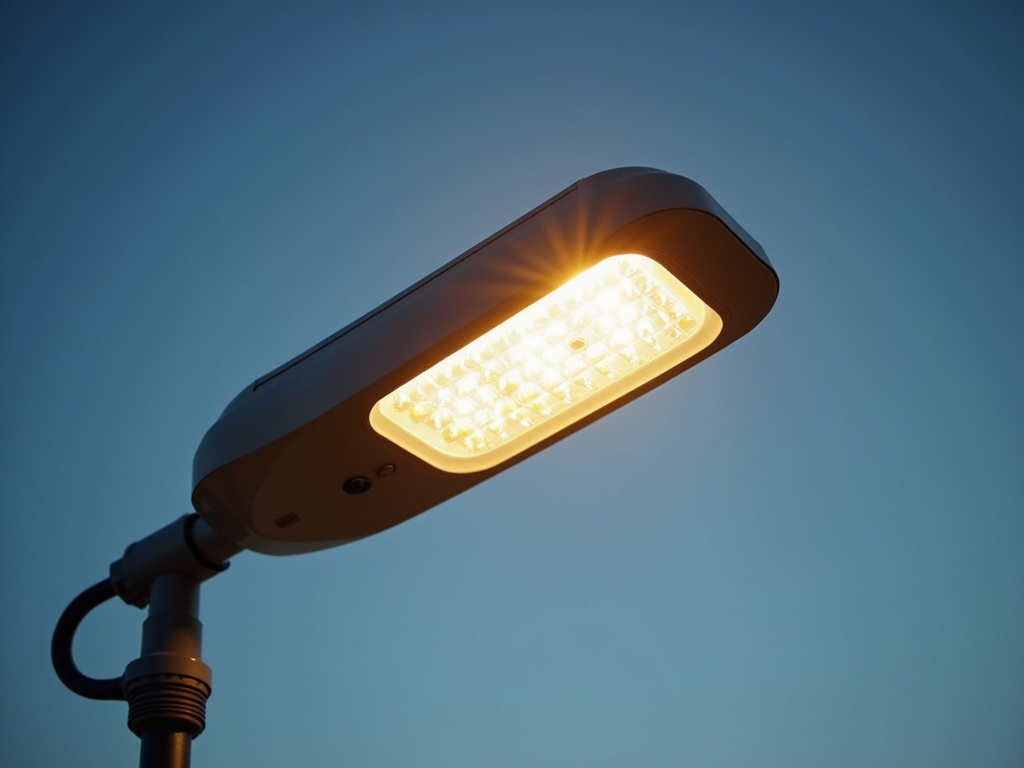
Municipal Solar Lighting in : Where to Start
Looking for municipal solar lighting in ? the team at Solar Path USA serves the local area and can answer questions specific to .
Understanding Municipal Solar Lighting Basics
Understanding Municipal Solar Lighting Basics is a crucial step before hiring any provider. Municipal Solar Lighting refers to the use of renewable energy sources, typically solar panels, to power street lights and other urban illumination. This technology offers significant environmental benefits by reducing carbon emissions and offering a more sustainable alternative to traditional fossil fuel-powered lighting. When should you consider hiring Municipal Solar Lighting? According to recent data, cities worldwide are embracing this green initiative, with over 50% of urban areas expected to adopt solar street lighting by 2030.
Before engaging any service provider, it’s essential to ask the right questions. What are the alternatives to Municipal Solar Lighting? While solar is a popular choice, other options include LED lights powered by the grid or wind turbines. Each has its pros and cons, making due diligence crucial. Questions to ask Municipal Solar Lighting before hiring should encompass project scope, technology specifics, cost-effectiveness, maintenance requirements, and long-term sustainability goals. For instance, inquire about the type of solar panels used, battery storage capabilities, and expected energy savings compared to conventional lighting.
Additionally, explore their experience in similar projects and request case studies or references. Understanding their methodology for site assessment, design, installation, and post-implementation support is vital. A professional provider should offer a comprehensive plan that aligns with local regulations and incorporates feedback from stakeholders. Lastly, consider the project timeline, warranty coverage, and potential incentives or grants available for adopting solar lighting, as these can significantly impact the overall value and feasibility of the Municipal Solar Lighting solution.

| Factor | What to know |
|---|---|
| Experience & references | Ask for case studies and references from previous municipal projects. |
| Technology used | Check panel types, battery storage, and efficiency of components. |
| Site assessment | Evaluate shading, weather patterns, and maintenance access considerations. |
| Cost breakdown | Request detailed pricing and compare quotes for transparency. |
| Warranty & support | Discuss warranty coverage and after-sales maintenance services. |
| Regulations & permitting | Ensure provider understands local zoning laws and compliance needs. |
Key Considerations Before Installation
Before hiring a municipal solar lighting provider, it’s crucial to ask the right questions to ensure a successful project. This is a significant investment for any city or town, and understanding the key considerations before installation will help you make an informed decision. While the environmental and economic benefits of municipal solar lighting are undeniable, the technical, financial, and logistical aspects require careful evaluation.
Firstly, consider the expected cost and return on investment. How much does municipal solar lighting cost? This varies based on factors like project size, technology chosen, and local regulations. It’s essential to request detailed cost breakdowns and explore financing options, as well. According to recent industry reports, the average installation cost per watt has decreased steadily, making solar lighting more accessible. However, each project is unique, so comparing apples to apples with multiple quotes is vital. Additionally, understanding the potential energy savings and the timeline for achieving a positive return is critical.
Installation time is another critical factor. How long does municipal solar lighting take? The duration depends on the project scope and complexity, but planning for a significant time frame is advisable. A typical installation can range from several weeks to a couple of months, depending on the size and scope. Major urban projects might take longer due to permitting, utility coordination, and public consultation. Knowing the expected timeline allows for better resource allocation and minimal disruption to public services.
Lastly, expect a learning curve and potential challenges. What to expect from municipal solar lighting? From initial planning to post-installation maintenance, there are considerations. This includes understanding local zoning regulations, integrating with existing infrastructure, and addressing public concerns. Engaging with experienced providers who can offer insights into these aspects is invaluable. Successful projects often involve close collaboration between city officials, solar experts, and community stakeholders. By asking these questions and thoroughly evaluating potential solutions, municipalities can harness the power of solar lighting while ensuring a smooth and effective implementation process.
Choosing the Right Solar Lighting Provider
Choosing the right Municipal Solar Lighting provider is a crucial step in ensuring your project’s success and long-term benefits. Before committing, ask detailed questions that go beyond the surface to assess their expertise and alignment with your needs. Consider inquiring about their experience in similar municipal projects, highlighting specific case studies demonstrating their problem-solving skills and successful implementations. This provides valuable insight into their capability to navigate complex urban environments and meet unique challenges.
For instance, inquire about their process for site assessment and design, understanding the intricate factors that influence solar energy capture in a municipal setting. A comprehensive answer should cover everything from analyzing local climate data and considering building shadows to assessing existing infrastructure and integrating lighting with smart city initiatives. This level of inquiry ensures they possess a holistic understanding of your project’s requirements.
Moreover, clarify their approach to financing options, especially if you’re exploring public-private partnerships or incentives like net metering. Understanding their experience in navigating these complexities can significantly impact the project’s financial viability. For example, asking about successful collaborations with local governments and utility companies demonstrates their ability to secure favorable terms, making Municipal Solar Lighting a worthwhile investment.
Lastly, don’t hesitate to request references from previous clients, particularly those with comparable municipal projects. Speaking directly to their satisfied customers offers tangible proof of their reliability, technical proficiency, and commitment to delivering quality results. This step is vital in qualifying providers who not only claim but also deliver on the promise of Municipal Solar Lighting as a sustainable and cost-effective solution.
Frequently Asked Questions About questions to ask Municipal Solar Lighting before hiring
What is the initial step in choosing a municipal solar lighting provider?
When selecting a municipal solar lighting provider, start by evaluating their expertise in designing and implementing sustainable energy solutions for public spaces. Research their portfolio, focusing on projects similar to your needs. Check if they have experience with community engagement and collaboration, as this is crucial for gaining buy-in from stakeholders. A strong track record of successful installations and positive client testimonials are excellent indicators of a reliable provider.
How do I ensure the solar lighting system will meet my community’s energy demands?
Conduct a thorough assessment of your area’s lighting requirements and energy consumption patterns. Engage in open communication with the potential providers to understand their design process and how they tailor solutions to specific needs. Request detailed proposals outlining the system’s capacity, expected energy savings, and maintenance plans. Ensure the provider offers customized solutions and considers factors like local climate and community usage to guarantee an efficient and effective lighting system.
Are there any environmental benefits to municipal solar lighting?
Absolutely! Municipal solar lighting significantly reduces the carbon footprint of public lighting by harnessing renewable energy from the sun. This transition helps decrease greenhouse gas emissions, contributing to a cleaner environment. Solar-powered lights also minimize dependence on non-renewable energy sources, promoting long-term sustainability and reducing operational costs for municipalities. The positive environmental impact can enhance the community’s reputation for eco-conscious initiatives.
Can I expect any financial benefits from investing in solar lighting?
Yes, solar lighting offers both short-term and long-term financial advantages. Initial installation costs may be higher than traditional lighting, but solar systems can lead to substantial energy savings over time. Many municipalities benefit from reduced utility bills, while some also offer incentives or grants for adopting renewable energy solutions. Additionally, the potential for revenue generation through excess energy exported to the grid can make solar lighting a lucrative investment.
How do I know if the chosen provider will integrate with existing infrastructure?
Before hiring, ensure the municipal solar lighting provider has experience working with your municipality’s utility providers and existing infrastructure. Discuss their integration process, including how they handle data management, energy monitoring, and any necessary upgrades to the grid or distribution systems. A comprehensive understanding of local regulations and requirements is essential for a seamless implementation that aligns with your community’s digital infrastructure.
By delving into the world of Municipal Solar Lighting, this article has equipped readers with a comprehensive understanding of the key considerations for successful implementation. From grasping the fundamentals of this renewable energy solution to selecting the right provider, each step is crucial in maximizing the benefits of Municipal Solar Lighting. By considering factors like site assessment, energy demands, and provider expertise, municipalities can ensure cost-effective, sustainable lighting for years to come, illuminating a brighter future.