At a glanceChoosing municipal solar lighting? Consider location, sunlight exposure, and energy needs. Look for durable, weather-resistant panels and efficient LED lights. Evaluate maintenance requirements and local incentives. Compare quotes from reputable vendors to get the best value and ensure your city’s infrastructure supports solar adoption.
Key Takeaways
- Evaluate energy costs and savings potential to ensure solar lighting pays for itself over time.
- Consider local climate conditions and sunlight exposure to maximize energy production.
- Invest in high-quality fixtures with durable materials to withstand outdoor elements.
- Research maintenance requirements and choose options with minimal upkeep needs.
- Integrate with smart controls for automated dimming, scheduling, and remote monitoring.
- Explore community or utility incentives that can offset initial installation costs.
- Consult local regulations and zoning laws regarding solar panel placement and permitting.
In today’s quest for sustainable urban development, Municipal Solar Lighting emerges as a crucial component in shaping the future of our cities. The transition to clean energy is not just an environmental imperative but also a strategic move to enhance public safety, reduce operational costs, and foster an attractive urban environment. However, choosing the right Municipal Solar Lighting system can be daunting due to the myriad of options available. This article serves as your comprehensive guide, providing insights into the key considerations, benefits, and best practices for selecting solar lighting solutions that not only illuminate but also transform our municipal spaces.
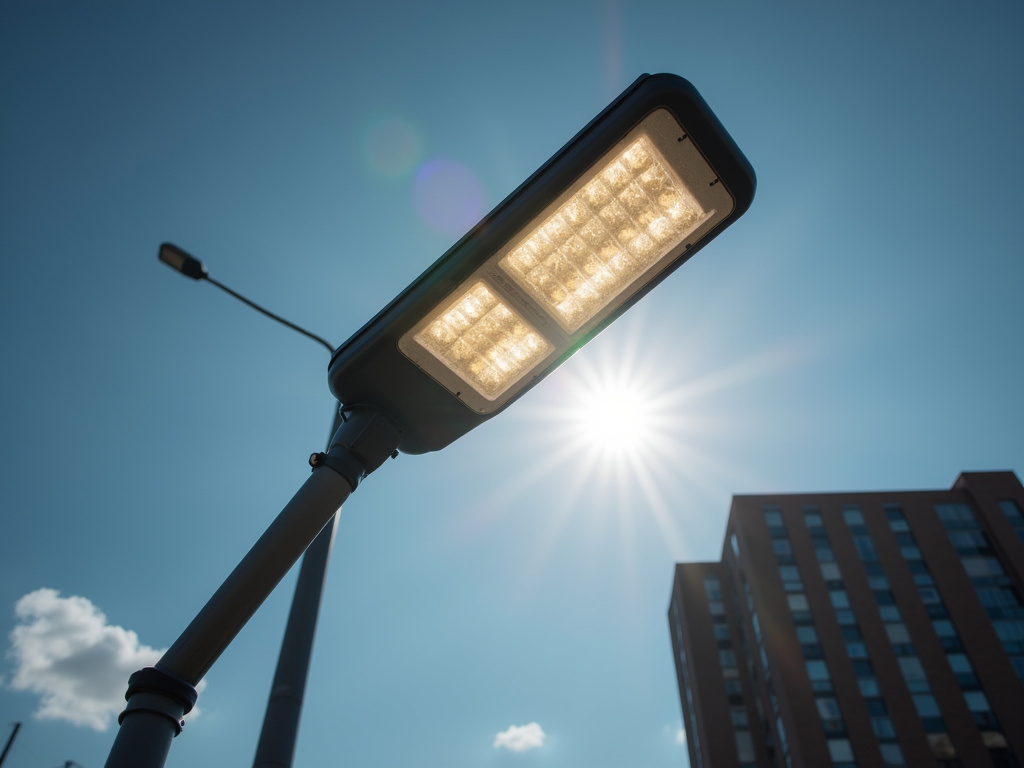
Municipal Solar Lighting in : Where to Start
Looking for municipal solar lighting in ? solar powered street lights serves the local area and can answer questions specific to .
Evaluating Location and Installation Considerations for Solar Lighting
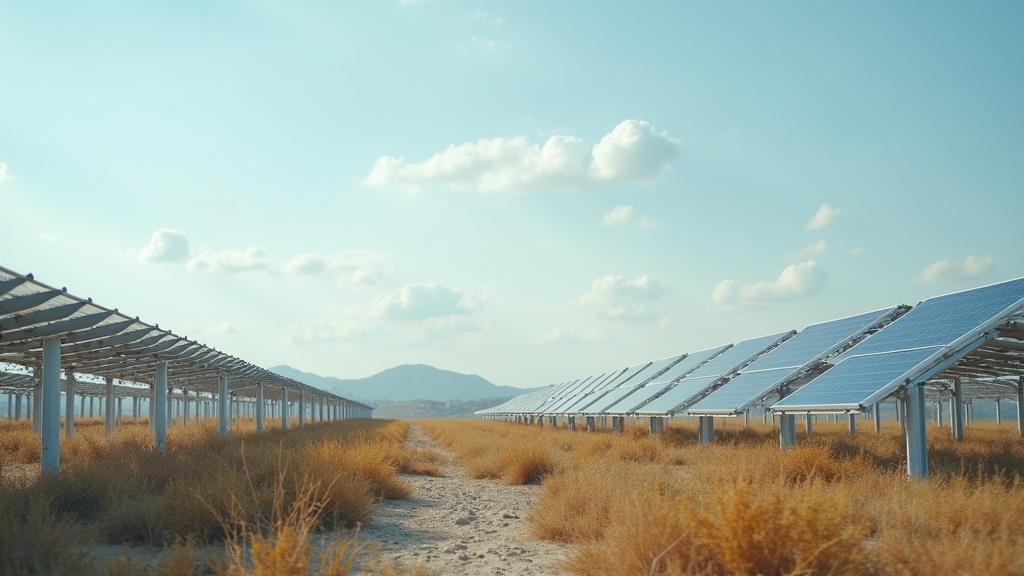
When considering Municipal Solar Lighting, evaluating location and installation considerations is a critical step beyond initial cost savings. First, assess your municipality’s sunlight exposure; optimal solar energy production requires consistent, unobstructed access to direct sunlight. Buildings, trees, or other obstructions can significantly reduce panel efficiency, so detailed site analysis using specialized software can help identify the best locations for installation. For instance, panels facing south (in the Northern Hemisphere) or north (in the Southern Hemisphere) generally receive the most sunlight throughout the day, enhancing energy harvest potential.
Another key consideration is shading, which can be detrimental to solar panel performance. Even partial shading from nearby trees or structures can reduce output by up to 25%. Maintaining a clear line of sight between panels and the sun is essential to avoid this problem. Moreover, understanding your region’s weather patterns is vital; harsh conditions like high winds or heavy snowfall can impact panel longevity and efficiency. Choosing a provider with experience in these specific challenges and using robust, weather-resistant equipment will ensure better system performance and longevity.
The cost of Municipal Solar Lighting varies widely depending on factors like panel type, size, installation complexity, and local regulations. On average, the upfront costs range from $3 to $5 per watt, with systems typically sized between 20 kW and 1 MW for municipal applications. To choose a reliable provider, research their track record, certifications, and customer reviews. Asking for references and comparing quotes from multiple providers can help you avoid overpaying or selecting an inferior system. Remember that while initial costs are essential, long-term performance, maintenance requirements, and potential energy savings should also guide your decision-making process.

| Factor | What to know |
|---|---|
| Sunlight Exposure | Requires consistent, unobstructed direct sunlight; shading can reduce output by up to 25% |
| Panel Orientation | South-facing (Northern Hemisphere) or north-facing (Southern Hemisphere) maximizes sunlight capture |
| Weather Resistance | Robust, weather-resistant equipment needed for high winds or heavy snowfall |
| Upfront Cost | Ranges from $3 to $5 per watt for systems sized 20 kW to 1 MW |
| Maintenance Needs | Includes cleaning panels, inspecting hardware, and checking battery performance |
| Adoption Trend | Solar lighting adoption has grown 20% annually over the past decade |
Choosing the Right System: Key Factors and Maintenance Tips
Choosing the right Municipal Solar Lighting system involves several key factors. First, assess your municipality’s energy needs and budget; solar lighting is cost-effective for large-scale implementations but may not be feasible for smaller areas due to initial investment costs. Secondly, consider the local climate and weather patterns; regions with consistent high sunlight exposure are ideal, as this ensures optimal energy production throughout the year. For instance, areas experiencing frequent cloud cover or heavy snowfall might require more robust hardware designed to withstand harsh conditions.
The Municipal Solar Lighting process involves several steps: site assessment, design planning, installation, and maintenance. During site assessment, professionals evaluate factors like available space, light pollution levels, and existing infrastructure. This data informs the design phase, where custom solutions are tailored to meet specific needs. Installation requires careful placement of solar panels and lighting fixtures, ensuring alignment with sunlight patterns and safety regulations. Once installed, regular maintenance is crucial. This includes cleaning panels to maintain efficiency and inspecting hardware for damage or wear, as well as checking battery performance in off-grid systems.
While the benefits of Municipal Solar Lighting—like reduced carbon footprint and lower energy costs—are compelling, it’s not always necessary for every municipality. Smaller communities or areas with abundant conventional lighting infrastructure may find these savings less significant. However, as renewable energy technologies advance and costs decline, the viability of solar lighting is rapidly expanding. For instance, a recent study showed that adoption rates have grown by 20% annually over the past decade, indicating a growing trend towards sustainable urban lighting solutions.
Hiring a reputable Municipal Solar Lighting provider is advisable for several reasons. Experts can offer valuable insights into local regulations and incentives, ensure systems are tailored to specific needs, and provide post-installation support. They also stay updated with technological advancements, enabling municipalities to leverage the latest innovations. Remember that while the upfront costs may be high, the long-term savings and environmental benefits of Municipal Solar Lighting make it a smart investment for many communities.
Frequently Asked Questions About how to choose Municipal Solar Lighting
What are the key considerations when selecting municipal solar lighting?
When choosing solar lighting for a municipal area, several critical factors come into play. Firstly, assess the specific needs of the location, such as street lighting, park illumination, or public space lighting. Consider the environment, including climate, terrain, and potential obstacles like trees or buildings, which can affect sunlight exposure. Energy efficiency and durability are essential; opt for high-quality panels and lighting fixtures designed for outdoor, long-term use. Cost-effectiveness is also vital; analyze the initial investment, operational costs, and potential rebates or incentives.
How do I determine the right lighting level for my municipality?
Lighting level requirements vary based on location and purpose. Evaluate the existing lighting conditions and nearby properties. For streets, ensure adequate illumination for safety and visibility, typically 50-100 lumens per square meter. Parks and public spaces may require different levels, depending on user needs and activities. Consider employing motion sensors or dimming controls to optimize light output and energy savings.
Can solar lighting systems be integrated with existing infrastructure?
Absolutely. Many modern solar lighting systems are designed for easy integration with existing municipal networks. Solar panels can be mounted on existing poles or structures, and wiring can be discreetly run to connect with the main grid or local power systems. This integration ensures a seamless transition and minimizes disruption to public services.
What are the environmental benefits of municipal solar lighting?
Solar lighting offers significant environmental advantages. By harnessing renewable energy, municipalities can reduce their carbon footprint and reliance on fossil fuels. Solar-powered lighting is also quieter and reduces light pollution, allowing for better night-time visibility while minimizing the impact on local ecosystems and wildlife.
How do I ensure the longevity and performance of the solar lighting system?
Regular maintenance is key to the longevity of solar lighting. Clean panels annually to maintain optimal sunlight absorption. Inspect fixtures for damage or wear and replace faulty components promptly. Ensure proper installation and grounding to protect against lightning strikes. Additionally, choosing reputable manufacturers and installers can provide long-term performance guarantees.
What financial benefits can municipalities expect from solar lighting?
Solar lighting can lead to substantial cost savings for municipalities. While the initial installation costs can be high, solar energy is essentially free, eliminating or significantly reducing electricity bills. Many systems also qualify for government incentives and rebates, further reducing the payback period. Long-term, this renewable energy source offers financial stability and environmental sustainability.
Choosing the right Municipal Solar Lighting system involves a thoughtful balance of understanding your needs, evaluating site conditions, and selecting a high-quality solution. Key insights include leveraging the environmental benefits and diverse types of solar lighting available, carefully assessing location and installation factors to ensure optimal performance, and prioritizing systems with robust components and comprehensive maintenance plans. By considering these factors, municipalities can implement sustainable and cost-effective Municipal Solar Lighting that enhances public safety, promotes energy independence, and contributes to a greener future.