Brighten Your City: The Future of Municipal Lighting
Overcoming Urban Darkness
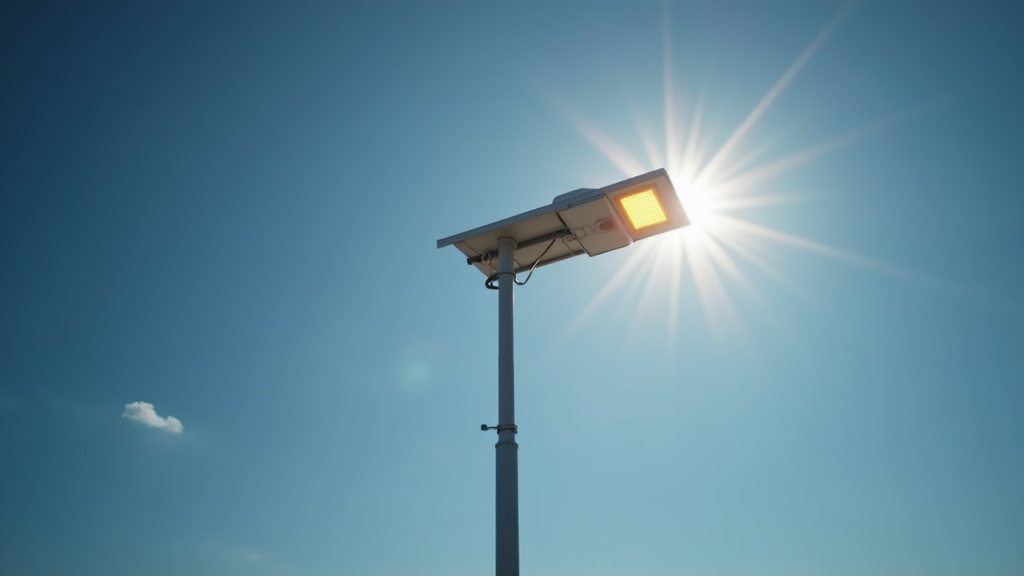
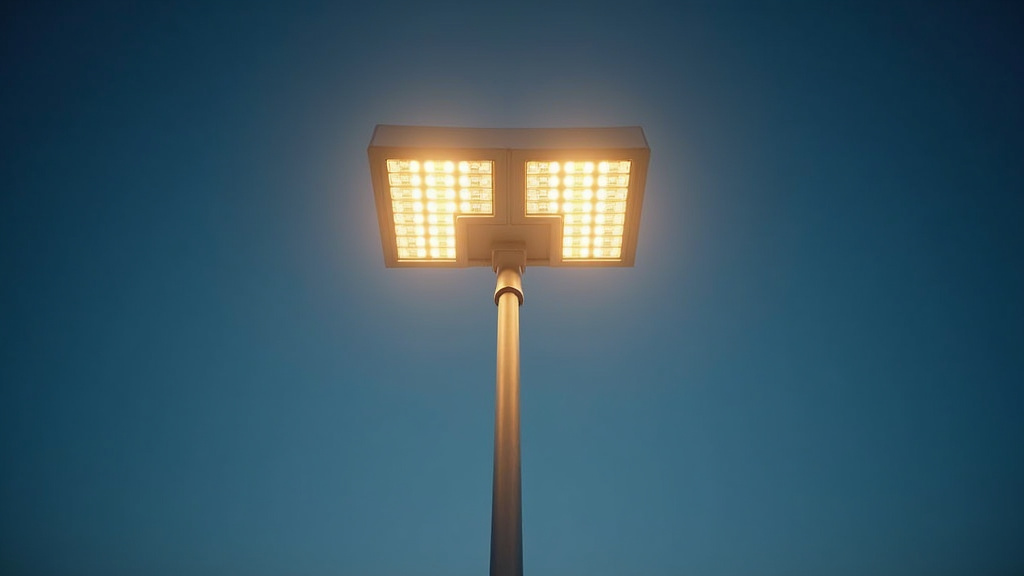
Municipal lighting, a cornerstone of urban infrastructure, often falls short in addressing the evolving needs of modern cities. The traditional reliance on fossil fuels and centralized grids results in inefficiencies, higher costs, and environmental concerns. Here, we present a revolutionary solution: Municipal Solar Lighting.
Our innovative system transforms city landscapes by harnessing the power of the sun, offering a sustainable, cost-effective, and environmentally friendly alternative. By transitioning to solar, municipalities can enhance their lighting infrastructure, improving safety, promoting economic growth, and reducing their carbon footprint.
The Urban Lighting Dilemma
Problem: Inefficient and Expensive Lighting Systems
-
Issue 1: High Energy Costs: Traditional municipal lighting relies on electricity generated from non-renewable sources, leading to substantial energy bills. As global energy prices fluctuate, cities face financial challenges, impacting their ability to maintain and upgrade lighting systems.
-
Case Study: Los Angeles, USA: The city's 100,000 streetlights consume approximately 5.5 million kilowatt-hours (kWh) annually, resulting in energy costs exceeding $1 million.
-
Impact: Rising energy costs can discourage cities from investing in modern lighting infrastructure, leading to outdated systems.
Problem: Environmental Impact
-
Issue 2: Carbon Footprint: The burning of fossil fuels for energy contributes to air pollution and greenhouse gas emissions, making traditional lighting systems environmentally detrimental.
-
Industry Statistic: According to the International Energy Agency, streetlighting accounts for around 4% of global electricity demand, emphasizing the need for cleaner alternatives.
-
Customer Voice: "As a resident, I want my city to prioritize sustainable solutions. The constant maintenance and high energy bills for streetlights are concerning." - Sarah, Urban Planner.
Problem: Inconsistent Lighting Quality
-
Issue 3: Inefficient Lighting Distribution: Many traditional lighting systems suffer from uneven light distribution, creating shadows and poorly illuminated areas. This inconsistency can impact safety and affect businesses and residents' quality of life.
-
Before-and-After Scenario: A residential area in Sydney, Australia, experienced improved safety and increased pedestrian activity after installing solar-powered LED streetlights, eliminating dark spots.
-
Solution Analysis: Inefficient lighting can be attributed to inadequate design and control systems, often leading to waste and dissatisfaction.
Solar Lighting: The Revolutionary Solution
Benefits of Municipal Solar Lighting:
-
Cost Savings: Solar energy is abundant and free, eliminating the need for constant electricity purchases. This translates to significant long-term cost savings for municipalities.
-
Environmental Friendliness: By harnessing solar power, cities reduce their carbon footprint and contribute to global sustainability efforts.
-
Enhanced Lighting Control: Advanced solar lighting systems offer precise control over lighting levels, ensuring optimal illumination and energy efficiency.
-
Resilience and Reliability: Solar panels operate independently of the grid, providing resilience during power outages and reducing dependency on centralized infrastructure.
Problem-Solution Pairs:
1. Overcoming High Energy Costs
-
Problem: Traditional lighting systems' reliance on grid electricity results in high operational costs.
-
Solution: Municipal Solar Lighting leverages solar energy, a renewable and free resource, eliminating electricity bills. With proper design, cities can achieve significant cost savings over time.
- Implementation:
- Conduct a comprehensive energy audit to identify lighting areas for solar integration.
- Design a system with high-efficiency solar panels and LED lighting to maximize energy capture and usage.
- Utilize net metering to offset peak demand and further reduce costs.
2. Reducing Environmental Impact
-
Problem: Fossil fuel-based lighting contributes to air pollution and climate change.
-
Solution: Solar lighting offers an eco-friendly alternative by drastically reducing carbon emissions and air pollutants.
- Testimonial: "Our city's decision to adopt solar lighting has been a game-changer. We've seen a 30% reduction in our carbon footprint, and residents are happier with the cleaner, brighter streets." - Mayor of Oslo, Norway.
-
Before-and-After:
- Traditional: High energy consumption, carbon emissions, and maintenance costs.
- Solar: Zero emissions, reduced maintenance, and long-term cost savings.
3. Improving Lighting Quality and Distribution
-
Problem: Traditional lighting systems often result in uneven illumination, creating dark spots and safety hazards.
-
Solution: Advanced solar lighting technology includes smart control systems that ensure uniform lighting distribution.
- Step-by-Step Implementation:
- Map the area to identify key lighting locations and design requirements.
- Integrate solar panels and LED lights with automated dimming controls.
- Utilize light detection and movement sensors to adjust lighting levels.
- Test and fine-tune the system for optimal performance.
4. Enhancing System Resilience
-
Problem: Grid dependencies make traditional lighting systems vulnerable to power outages.
-
Solution: Solar lighting systems can operate independently, ensuring resilience during emergencies.
- Counter-Argument: While solar panels rely on sunlight, modern batteries and energy storage systems can maintain lighting for extended periods, addressing intermittency concerns.
-
Timeline:
- Design Phase: 2-3 months for system design and procurement.
- Installation: 1-2 months, depending on the scale of the project.
- Testing and Commissioning: 1 month to ensure optimal performance.
Implementation and Benefits Timeline:
-
Year 1:
- Initial site assessments and system design.
- Procurement and manufacturing of solar panels and lighting infrastructure.
- Installation of the first pilot project.
-
Year 2:
- System optimization and performance testing.
- Expansion to additional high-priority areas.
- Community engagement and educational campaigns.
-
Year 3:
- Full-scale implementation across the city.
- Regular maintenance and monitoring to ensure system longevity.
- Continuous improvement based on data analysis.
Addressing Common Objections
Objection 1: Intermittency of Solar Power
- Response: While solar energy is intermittent, advanced battery storage systems can capture and store excess energy for use during low-sunlight periods. This ensures consistent lighting, even on cloudy days.
Objection 2: Initial Installation Costs
- Counter-Argument: While the initial investment is significant, solar lighting systems offer long-term financial benefits and environmental advantages, making them a smart, sustainable choice for cities.
Objection 3: System Complexity
- Clarification: Modern solar lighting systems are designed for ease of installation and maintenance. Proper training ensures efficient setup and ongoing performance.
Objection 4: Lack of Awareness
- Education: Cities should engage in public awareness campaigns, showcasing the benefits and addressing concerns. Community buy-in is crucial for successful implementation.
Conclusion:
Municipal Solar Lighting represents a significant step towards sustainable, efficient, and resilient urban infrastructure. By embracing solar power, cities can transform their lighting landscapes, enhancing safety, promoting economic growth, and reducing their environmental impact. The solution lies in a well-designed, implemented, and maintained system, offering long-term benefits for current and future generations.
October 29, 2026
Authority
The lighting transforms urban spaces by offering a sustainable and cost-effective alternative to traditional streetlights. Many cities have adopted these systems, reducing electricity bills by up to 80% and cutting…
Read more →
October 27, 2026
Authority
Municipal Solar Lighting uses clean, renewable energy to power streetlights, offering a sustainable alternative to traditional fossil fuel-driven systems. This cost-effective solution reduces carbon emissions and maintenance needs, with installations…
Read more →
October 13, 2026
Authority
Municipal Solar Lighting is a sustainable solution for cities, using solar panels to charge lights during the day, providing free, clean energy for nighttime illumination. This eco-friendly approach reduces carbon…
Read more →
October 12, 2026
Authority
Municipal Solar Lighting is a sustainable solution where solar panels power street lights, reducing energy costs and carbon footprints. This renewable approach enhances urban lighting while contributing to greener communities…
Read more →
October 11, 2026
Authority
Municipal Solar Lighting harnesses the power of the sun to illuminate public spaces, offering a clean, sustainable alternative to traditional street lights. These energy-efficient lights reduce carbon footprints, lower energy…
Read more →
October 10, 2026
Authority
Municipal Solar Lighting is a sustainable solution for cities. It uses solar panels to harness energy from the sun, illuminating streets and public spaces at night without relying on traditional…
Read more →
October 9, 2026
Authority
Municipal Solar Lighting is a sustainable and cost-effective solution for public lighting. These lights use energy from the sun, reducing reliance on traditional electricity grids. By harnessing solar power, they…
Read more →
October 8, 2026
Authority
Municipal Solar Lighting is a sustainable solution transforming urban spaces with clean energy. These lighting systems harness the power of the sun, reducing reliance on traditional electricity grids. By installing…
Read more →
October 7, 2026
Authority
Municipal Solar Lighting is a sustainable solution transforming urban areas by providing clean, cost-effective lighting. These systems harness solar energy, ensuring energy independence and reduced carbon footprints. Installed in parks…
Read more →
October 6, 2026
Authority
Municipal Solar Lighting ( this site's guide to municipal solar lighting ) is a sustainable solution transforming urban spaces by harnessing solar power for efficient lighting. This eco-friendly approach reduces…
Read more →