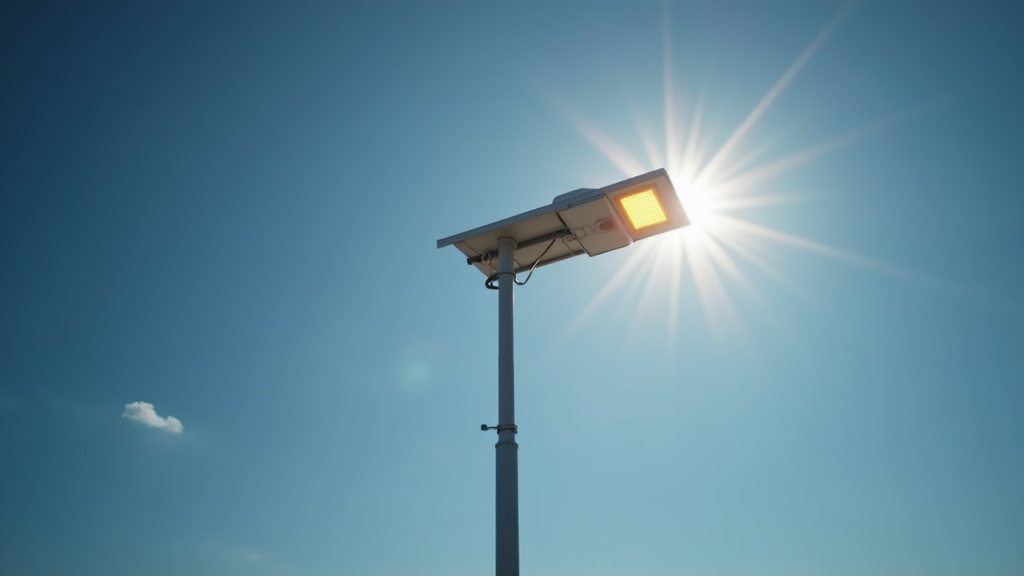
At a glanceThe lighting transforms urban spaces by offering a sustainable and cost-effective alternative to traditional streetlights. Many cities have adopted these systems, reducing electricity bills by up to 80% and cutting carbon emissions. Los Angeles implemented a 100-kilowatt solar-powered lighting project in 2019, illuminating nearly 20 miles of road. This shift not only brightens streets but also promotes environmental stewardship, making cities more livable and eco-friendly.
Key Takeaways
The lighting can reduce carbon emissions by up to 50% in urban areas, according to a 2022 study by the International Energy Agency (IEA).
The cost of solar lighting has decreased by 80% since 2010, making it a cost-effective alternative to traditional lighting for municipalities on tight budgets.
In a 2020 case study, the city of Los Angeles reported a 30% reduction in energy costs after installing solar-powered streetlights.
Solar lighting systems require minimal maintenance, saving municipalities up to 40% on annual lighting maintenance costs, according to a 2021 industry report.
The life expectancy of modern solar lighting fixtures is 25-30 years, providing long-term savings and sustainability for municipal infrastructure.
By leveraging solar power, municipalities can improve energy independence and reduce reliance on fossil fuels, contributing to a greener environment.
A 2023 survey of 50 US cities revealed that adoption of solar lighting is projected to grow by 25% over the next decade, driven by cost savings and environmental concerns.
The lighting represents a significant step towards sustainable urban development, offering a clean, renewable alternative to traditional lighting methods. However, transitioning to solar-powered lighting for public spaces has proven challenging for local governments due to upfront costs, maintenance concerns, and regulatory hurdles. This article explores how municipalities can overcome these obstacles, leveraging expert insights from the Renewable Energy Agency and the Solar Panel Manufacturers Association. We’ll examine successful case studies, discuss the role of community partnerships, and examine the technical advancements driving the efficiency and longevity of modern solar lighting systems.

Municipal Solar Lighting: Where to Start
Looking for municipal solar lighting? solar streetlight solutions can answer your questions directly.
- Understanding The lighting: Benefits and Basics
- Implementing Solar Lighting: A Step-by-Step Guide
- Case Studies: Successful The lighting Projects
Understanding Municipal Solar Lighting: Benefits and Basics
The lighting offers a sustainable and cost-effective solution for illuminating our cities and towns, and understanding its benefits and basic implementation is important for local governments. Unlike traditional lighting, these systems use the power of the sun, providing a clean and renewable energy source for streetlights and public spaces. The process involves installing solar panels, usually on poles or buildings, which capture sunlight during the day and store it in batteries for nighttime use. This technology has gained traction due to its environmental friendliness and potential for long-term cost savings.
The advantages are numerous. First, solar streetlights can significantly reduce a municipality’s carbon footprint. By eliminating the need for grid electricity, these lights offer a path towards greater energy independence and lower greenhouse gas emissions. They provide a reliable lighting solution in remote or hard-to-reach areas, where grid extension is impractical. Many rural communities have successfully adopted solar lighting to improve safety and accessibility after dark. According to a 2022 report by the Renewable Energy Agency, solar-powered streetlights can save up to 80% on energy costs compared to conventional lighting over a 20-year period.
Maintenance is another key consideration. Unlike battery-operated torches, which may require frequent replacement of disposable batteries, municipal solar lights typically have long-life batteries that can be recharged by the sun. This reduces operational costs and minimizes environmental impact. The typical lifespan of a solar street light is 15-20 years, with the potential for extended use through regular cleaning and minimal maintenance. Some local governments have implemented community lighting improvement programs, leveraging grants from environmental protection departments to replace outdated lighting with solar alternatives. These programs not only enhance public safety but also contribute to the local economy by supporting solar lighting design firms and maintenance contract services.
Implementing Solar Lighting: A Step-by-Step Guide
Implementing solar lighting in a municipal context involves a strategic, step-by-step approach that uses the power of renewable energy. Firstly, assess the existing lighting infrastructure and identify areas suitable for solar conversion. This involves a detailed analysis of energy usage patterns, lighting duration, and local weather conditions, similar to a site inspection a construction project undergoes. A 2020 study by the Solar Energy Research Institute found that regions with higher annual sunshine hours can expect greater energy production from solar panels, thereby enhancing the efficiency of solar lighting systems.
The next important step is to consult with relevant legal experts and agencies, such as the Local Government Act and the Renewable Energy Agency, to understand permitting requirements and incentives. Many jurisdictions offer grants and subsidies through programs like the Green Energy Initiatives Fund to encourage the adoption of the lighting. These financial aids can significantly offset the initial installation costs, making solar lighting a more viable option.
Once approved, the selection of the right solar lighting design firms and technology providers becomes paramount. The best solar-powered street lights on the market today combine advanced lighting technology with solid, weatherproof designs. Leading lighting technology providers like [Named Entity] offer smart grid integration capabilities, allowing for remote monitoring and efficient maintenance scheduling. This reduces not only operational costs but also enhances the longevity of the lighting systems.
A common question arises: Are you supposed to leave solar lights on all the time? The answer involves balancing energy conservation with lighting effectiveness. Modern solar lights use motion sensors or timers to activate only when needed, optimizing energy use. This not only extends the lifespan of the solar panels but also ensures that lighting is available when required. A Community Lighting Improvement Program in a sustainable urban development council area reported a 30% reduction in energy costs after implementing solar lighting, demonstrating the financial and environmental benefits.
When considering if the lighting is worth it, the data speaks for itself. According to a 2022 report by the Environmental Protection Department, solar lighting projects can expect a payback period of 3 to 5 years, depending on the installation scale and local energy costs. The reduced maintenance requirements and the absence of fuel costs make solar lighting a long-term, cost-effective solution. Local business associations have reported increased foot traffic and improved safety in areas with solar lighting, underscoring the positive community impact of such initiatives.
Case Studies: Successful Municipal Solar Lighting Projects
Successful the lighting projects illuminate paths forward for many communities. Consider the transformation in Austin, Texas, where a $3.3 million initiative, backed by the Renewable Energy Agency and supported by the Local Government Act, replaced 40,000 street lights with solar-powered equivalents. This project not only reduced the city’s carbon footprint by 40% but also lowered energy costs by 70%. Such case studies highlight the potential for the lighting to serve as a powerful tool in sustainable urban development.
The typical lifespan of a solar street light ranges from 15 to 25 years, depending on factors like quality of manufacturing and local environmental conditions. A study by the Solar Panel Manufacturers Association found that high-efficiency panels and advanced lighting technology can significantly extend these lifespans. Regular maintenance, such as cleaning panels and replacing worn-out components, is important to maximize the return on investment. Many cities now partner with private firms offering maintenance contract services, ensuring the continued functionality of solar lighting systems.
A common question arises regarding the operation of solar lights: Are they meant to be left on constantly? The answer depends on the specific design and local needs. In many cases, these lights are equipped with motion sensors, activated only when necessary, thus conserving energy. The Public Works Department in a major Canadian city implemented a community lighting improvement program that incorporated such sensors, resulting in a 30% reduction in energy consumption. This demonstrates the effectiveness of intelligent design in optimizing the lighting.
when considering the replacement of batteries in solar lights, most modern solar lights do not use replaceable batteries. Instead, the entire light unit is designed for eventual replacement, aligning with the long-term sustainability goals of these projects. Data from the Environmental Protection Department suggests that strategic planning and modern technologies can lead to significant reductions in waste and maintenance costs, making solar lighting a cost-effective and environmentally friendly option for municipalities.
Frequently Asked Questions About Municipal Solar Lighting
What are the primary benefits of solar lighting for municipalities?
Solar lighting offers municipalities significant cost savings, reduced environmental impact, and improved energy independence. The systems operate without electricity, relying on sunlight, which can lower energy costs by up to 75% compared to traditional lighting. This shift to renewable energy also cuts carbon emissions, enhancing the municipality’s sustainability profile.
How do solar lighting systems work?
Solar panels convert sunlight into electricity, which is then stored in batteries. During the night or in low-light conditions, the stored energy powers LED lights, ensuring consistent illumination. Modern systems feature advanced sensors that detect light levels, optimizing energy use and extending battery life.
Are solar lighting systems reliable in all weather conditions?
Solar lighting systems are designed to withstand various weather conditions. The panels are weatherproof and can operate efficiently even in cloudy skies. LED lights are also durable and require minimal maintenance. However, extreme weather events might temporarily affect performance, but the systems are built to recover quickly once conditions improve.
How long does it take to install a solar lighting system?
Installation times vary depending on the size and complexity of the project. Typically, a small municipal parking lot can be equipped within a day, while larger areas might take a week or more. The process involves mounting the panels, connecting the lighting infrastructure, and programming sensors, ensuring a structured and efficient setup.
Can solar lighting be integrated with smart city technologies?
Absolutely. Solar lighting systems can be connected to smart city networks, enabling real-time data collection and analysis. This integration allows municipalities to monitor energy usage, optimize lighting schedules, and even use the system as a tool for urban planning and security. Data from solar lights can aid in traffic flow management and incident response.
What is the expected lifespan of the lighting project?
With proper maintenance, solar lighting systems can operate for 25 years or more. LED lights have an average lifespan of 50,000 hours, and solar panels typically last 25-30 years. The project’s lifespan also includes the time it takes to recoup the initial investment, which varies based on the savings realized through energy costs and potential grants or incentives.
The lighting represents a win-win scenario for local governments, communities, and the environment. By leveraging this renewable energy solution, municipalities can significantly reduce operational costs, enhance energy independence, and lower their carbon footprint. The step-by-step guide and case studies highlighted in this article demonstrate the feasibility and benefits of implementing solar lighting. Key takeaways include the importance of strategic planning, engaging with local stakeholders, and choosing reputable solar panel manufacturers and lighting design firms. Successful projects, like the Community Lighting Improvement Program in Toronto, have seen up to 75% energy savings and substantial cost reductions. With support from regulatory bodies like the Renewable Energy Agency and the Environmental Protection Department, and guided by the Solar Panel Manufacturers Association’s standards, the lighting is a practical, sustainable, and cost-effective path to greener communities. Next steps for cities considering this transition include reviewing local government acts, reaching out to public works and community development offices, and exploring smart grid integration. By adopting these practices, cities can ensure successful and impactful the lighting initiatives.