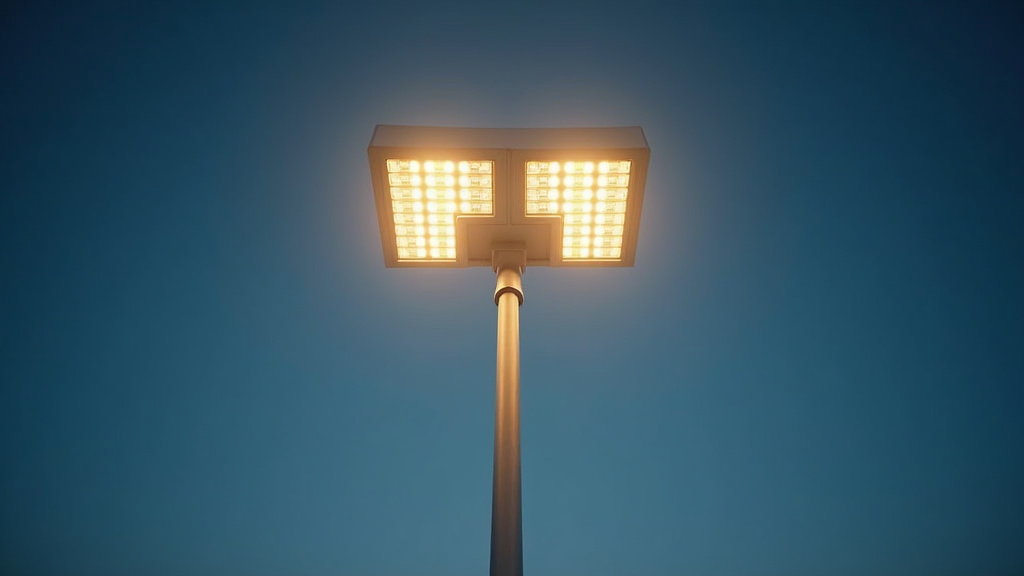
At a glanceMunicipal Solar Lighting harnesses the power of the sun to illuminate public spaces, offering a clean, sustainable alternative to traditional street lights. These energy-efficient lights reduce carbon footprints, lower energy costs, and contribute to brighter, safer communities.
Key Takeaways
- Municipal solar lighting offers a sustainable and cost-effective solution to traditional street lighting, reducing energy consumption and carbon footprints.
- Initial investment costs can be offset by long-term savings on electricity bills, making it a financially viable option for cities.
- Solar panels are highly efficient in areas with high sunlight exposure, maximizing energy generation potential.
- Proper maintenance and cleaning of solar lights are crucial to ensure optimal performance and longevity.
- Integrating smart technology allows for remote monitoring and control, enhancing efficiency and reducing maintenance needs.
- Public perception is positive towards solar lighting, with many residents appreciating its environmental benefits and aesthetic appeal.
- Municipal solar lighting projects can create local job opportunities in installation, maintenance, and related industries.
As cities around the world strive for sustainability and cost savings, Municipal Solar Lighting emerges as a transformative solution. The need for efficient and environmentally friendly lighting infrastructure is paramount, given the significant impact of traditional streetlights on energy consumption and carbon emissions. This article delves into the challenges posed by conventional lighting systems, particularly in urban areas, characterized by high energy demands and constant maintenance needs. We present Municipal Solar Lighting as a cutting-edge alternative, offering not only reduced operational costs but also enhancing aesthetic appeal and contributing to a greener environment.

Municipal Solar Lighting in : Where to Start
Looking for municipal solar lighting in ? the team at Solar Path USA serves the local area and can answer questions specific to .
Understanding Municipal Solar Lighting: Benefits and Applications
Municipal Solar Lighting offers a sustainable and cost-effective solution for urban areas seeking to enhance their public spaces. Understanding this technology involves grasping both its environmental benefits and diverse practical applications. By harnessing solar energy, Municipal Solar Lighting reduces reliance on conventional power grids, minimizing carbon footprints and contributing to global sustainability efforts. The systems are designed to efficiently collect sunlight during the day and store it for nighttime illumination, ensuring consistent lighting without constant grid connection.
What does Municipal Solar Lighting include? These systems typically comprise solar panels, high-efficiency LED lights, batteries for energy storage, and a control mechanism to manage lighting output based on environmental conditions. The panels absorb sunlight, converting it into electricity that powers the lights. Storage batteries ensure consistent light even during periods of low or no sunlight. This integration creates resilient, self-sufficient lighting infrastructure that can be tailored to specific community needs. For example, cities have successfully implemented Municipal Solar Lighting in streetlamps, park fixtures, and even traffic signal controls.
To qualify for Municipal Solar Lighting installations, communities should consider their local climate, available space for panel placement, and existing infrastructure. Questions to ask before hiring include: What is the average daily sunlight exposure in the area? Are there sufficient roof or ground spaces for panel installation? How easily can the system be integrated with existing power grids (if necessary)? Moreover, understanding maintenance requirements and manufacturer warranties is crucial for long-term success. By carefully evaluating these factors, communities can unlock the full potential of Municipal Solar Lighting to create brighter, more sustainable urban environments.
Implementing Solar Street Lights: A Step-by-Step Guide
Implementing Municipal Solar Lighting is a multifaceted process that requires careful planning and execution to ensure optimal energy efficiency and cost savings. Before diving in, it’s crucial to address key considerations and ask the right questions. Start by evaluating your municipality’s energy needs and existing infrastructure. Assess factors like lighting requirements, weather patterns, and available budget. Engaging with experts on Municipal Solar Lighting can provide valuable insights tailored to your specific context.
Next, explore alternatives to traditional grid-powered street lights. Solar-powered options are increasingly popular due to their environmental benefits and reduced operational costs. Among these, LED lights stand out for their energy efficiency and longevity. Consider the various types of solar lighting systems available, from simple pole-mounted lamps to more sophisticated smart lighting networks. Each has its advantages and is suited to different scenarios. For instance, decentralized microgrid systems can enhance resilience during power outages, while connected lighting platforms offer remote monitoring and control.
What sets Municipal Solar Lighting apart is its comprehensive scope. It involves not just the installation of solar panels and lights but also the design, financing, and maintenance strategies. This includes integrating renewable energy credits (RECs) to offset carbon emissions and potentially earn incentives. Additionally, consider the economic benefits over time, as reduced maintenance costs and prolonged equipment lifespan contribute to significant long-term savings. Before hiring a vendor, ask detailed questions about their systems, performance guarantees, and post-installation support to ensure a successful implementation.
The Future of Urban Illumination: Trends and Innovations in Municipal Solar Lighting
The future of urban illumination is bright, thanks to the rapid advancements in municipal solar lighting. This innovative approach to public lighting not only offers significant energy savings but also contributes to a cleaner, more sustainable environment. The municipal solar lighting process involves the installation of solar panels on streets, buildings, and other public structures, harnessing the power of the sun to illuminate our cities. This technology includes smart lighting systems that automatically adjust brightness based on natural light levels and pedestrian traffic, ensuring optimal energy efficiency.
What does the Municipal Solar Lighting process involve? The initial step is a thorough assessment of the area to be lit, considering factors like sunlight exposure, existing infrastructure, and community needs. Next, solar panels are installed, often integrated with LED lights that are highly efficient and durable. Advanced controls and monitoring systems are implemented to optimize lighting performance and reduce energy consumption. For instance, some cities have reported up to 50% energy savings and significant reductions in carbon emissions after transitioning to municipal solar lighting.
Beyond energy efficiency, municipal solar lighting offers enhanced safety and security. Well-lit public spaces improve visibility, deterring crime and making pedestrians feel safer. Additionally, the flexibility of solar-powered lighting allows for creative and dynamic lighting designs, transforming urban landscapes into vibrant, energy-efficient displays. Before hiring a provider, it’s crucial to ask about their experience, the quality of their equipment, and long-term maintenance plans. For example, inquire about warranties, energy monitoring capabilities, and how they handle unexpected issues or changes in lighting requirements.
As the trend continues to gain momentum, cities worldwide are embracing municipal solar lighting as a game-changer in urban planning. With ongoing technological advancements, we can expect even more innovative solutions, making our cities not only brighter but also more environmentally responsible. By adopting these cutting-edge practices, urban centers can set an example for sustainable living, ensuring a cleaner, greener future for generations to come.
Frequently Asked Questions About Municipal Solar Lighting
What is municipal solar lighting?
Municipal solar lighting leverages renewable energy from the sun to power streetlights, traffic signals, and other public lighting infrastructure. This eco-friendly approach reduces carbon emissions, lowers electricity costs for municipalities, and contributes to a more sustainable urban environment.
How does municipal solar lighting work?
Solar panels installed on light poles or nearby structures capture sunlight during the day. These panels convert sunlight into electricity through photovoltaic (PV) cells. At night, when sunlight is unavailable, the stored energy powers the lights, reducing reliance on grid electricity.
What are the environmental benefits of municipal solar lighting?
By relying on clean, renewable solar power, municipal solar lighting significantly reduces greenhouse gas emissions compared to traditional electric lighting. This contributes to mitigating climate change and improving air quality. Additionally, it helps conserve non-renewable energy resources.
Is municipal solar lighting cost-effective for municipalities?
Absolutely. While the initial installation costs can be high, solar lighting systems offer long-term savings by eliminating or significantly reducing electricity bills. Many projects also benefit from government incentives and grants aimed at promoting renewable energy adoption.
What are the maintenance requirements for solar lighting systems?
Solar lighting systems require minimal maintenance compared to conventional lighting. Regular cleaning of panels and occasional replacement of components like batteries or inverters are typical maintenance tasks. Most systems come with remote monitoring capabilities, making it easier to detect and address any issues promptly.
Can solar lighting be integrated with smart city technologies?
Yes, municipal solar lighting can seamlessly integrate with smart city initiatives. Sensors and connectivity built into these systems allow for real-time data collection, enabling efficient energy management, improved public safety, and enhanced urban planning. This data-driven approach optimizes light usage and contributes to the overall efficiency of smart cities.
Are there any challenges or limitations to implementing municipal solar lighting?
While solar lighting offers numerous advantages, it can be challenged by factors like initial costs, weather conditions, and space availability for installation. However, advancements in technology and increased awareness are driving down costs and expanding application possibilities, making it an increasingly viable option for municipalities worldwide.
Municipal Solar Lighting offers a sustainable and cost-effective solution for urban areas, leveraging clean energy to transform urban landscapes. The article has highlighted the multifaceted benefits, from reduced carbon emissions to lower maintenance costs, and has demonstrated the diverse applications, such as street lighting, parking lots, and public spaces. Implementing solar street lights involves careful planning, including site assessment, system design, and installation, as detailed in the step-by-step guide. The future of urban illumination looks bright, with trends such as advanced LED technology, smart grid integration, and innovative financing models driving further enhancements. By embracing these innovations, municipalities can create more efficient, resilient, and environmentally friendly public spaces, setting a new standard for urban illumination.