
Key Takeaways
- Municipal solar lighting offers a sustainable and cost-effective solution for urban areas, reducing carbon footprints and energy bills.
- The initial investment may be high, but long-term savings and environmental benefits make it a viable option for cities.
- Solar-powered streetlights have the potential to improve public safety by providing consistent, clean lighting throughout the night.
- Proper planning and design are crucial for maximizing energy generation and ensuring reliable lighting in all weather conditions.
- Community engagement and education are essential for gaining support and ensuring successful implementation of solar lighting projects.
- Solar lighting systems can serve as a model for other renewable energy initiatives, promoting a more sustainable future for cities.
- Regular maintenance and monitoring are necessary to ensure the longevity and efficiency of solar-powered streetlights.
At a glanceMunicipal Solar Lighting is a sustainable solution transforming urban spaces with clean energy. These lighting systems harness the power of the sun, reducing reliance on traditional electricity grids. By installing solar panels on streetlights, buildings, and landmarks, cities can decrease carbon footprints, cut costs, and promote a greener future.
As cities strive to become more sustainable and environmentally friendly, Municipal Solar Lighting emerges as a game-changer in urban infrastructure. The transition to renewable energy sources is a pressing global need, and municipal lighting networks represent a significant area for improvement. Traditional lighting systems often rely on non-renewable resources, contributing to environmental degradation. This is where Municipal Solar Lighting offers a viable solution. By harnessing the power of the sun, cities can significantly reduce their carbon footprints and operational costs. This article delves into the problem of conventional lighting, explores the benefits of solar-powered alternatives, and provides an in-depth analysis of how Municipal Solar Lighting is revolutionizing urban landscapes worldwide.
Municipal Solar Lighting in : Where to Start
Looking for municipal solar lighting in ? municipal solar light fixtures serves the local area and can answer questions specific to .
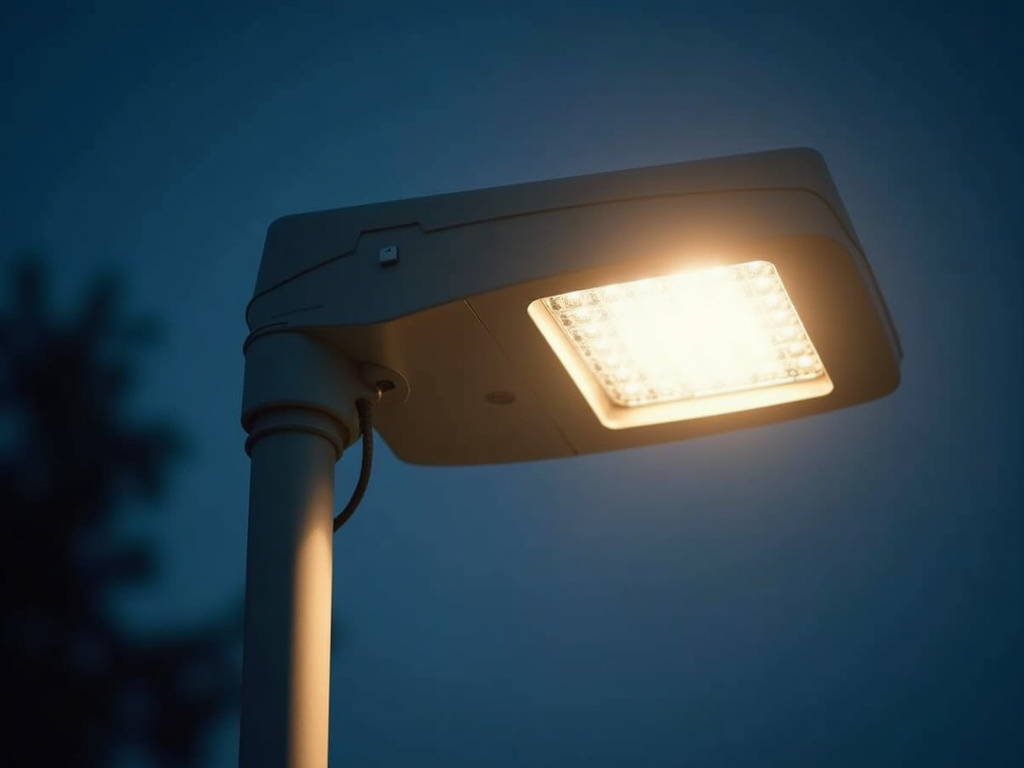
Understanding the Benefits of Municipal Solar Lighting
Municipal Solar Lighting offers a sustainable and cost-effective solution for urban areas seeking to enhance their public spaces. Beyond the environmental benefits of reduced carbon emissions, this technology brings numerous advantages tailored to municipalities. One of the key strengths lies in its energy efficiency; solar panels harness the power of sunlight, eliminating the need for grid electricity, and significantly lowering maintenance costs over time. This is particularly beneficial for areas with high energy demands, as solar lighting can be a cost-sustainable alternative to traditional lighting methods.
The longevity of municipal solar lighting systems is another significant advantage. Modern solar panels are designed to withstand diverse weather conditions, ensuring durability and reliability. Moreover, these systems require minimal upkeep, reducing labor costs and further contributing to long-term savings for local governments. For instance, case studies have shown that well-maintained solar street lights can operate efficiently for over two decades, making them a wise investment for any municipality aiming for energy independence. When considering implementation, it’s crucial to ask specific questions, such as: What is the expected lifespan of the panels? How often will maintenance checks be required? Understanding these aspects ensures a transparent and informed decision-making process.
Choosing the right municipal solar lighting provider is essential for successful deployment. Key factors include the vendor’s experience in designing scalable solutions tailored to urban environments, their after-sales support, and warranty coverage. Reputable suppliers should offer comprehensive consultations to help municipalities assess their energy needs, select suitable equipment, and plan for optimal system integration. Cost considerations are paramount; while upfront installation costs can vary widely, long-term savings often make solar lighting a financially prudent choice. It’s advisable to request detailed quotes from multiple vendors and compare not just the price but also the quality of materials and proposed maintenance plans.
Implementing Solar Lighting: A Step-by-Step Guide
Implementing Municipal Solar Lighting involves a strategic process designed to maximize energy savings and environmental benefits. Before embarking on this journey, it’s crucial to assess whether your municipality actually needs solar lighting. Consider factors like existing infrastructure, energy consumption patterns, and local climate conditions. For instance, regions with high cloud cover or limited sunlight might not see significant returns from upfront investments in Municipal Solar Lighting.
A step-by-step guide begins with a thorough audit of current lighting systems. Identify the types and quantities of lights needed to replace, along with their wattage and energy usage. This data will help you calculate potential cost savings and return on investment (ROI). For example, replacing 100 traditional 100W streetlights with 30W solar-powered alternatives can save a city tens of thousands annually in electricity costs. However, avoid the common pitfall of underestimating maintenance requirements. Solar panels require periodic cleaning and systems need software updates to maintain optimal performance.
The next step involves selecting suitable equipment. Look for high-efficiency solar panels certified by reputable labs, durable poles and mounts, and lights with LED technology for longer lifespans. Additionally, consider battery storage solutions for uninterrupted lighting during periods of low sunlight or power outages. Once chosen, site selection is paramount. Ideal locations offer unobstructed sunlight access, safe installation spaces, and visible areas requiring lighting.
Hiring qualified professionals is essential throughout the process. They can ensure proper installation, optimize system layout, and address any regulatory concerns. Regular monitoring and maintenance following installation are also key to keeping systems running efficiently. Data from global studies show that well-managed Municipal Solar Lighting projects can achieve 20% or more energy savings, enhancing sustainability while reducing municipal operating costs.

The Future of Urban Lighting: Trends and Innovations
The future of urban lighting is bright, and at the forefront of this revolution is municipal solar lighting. As cities strive to become more sustainable and environmentally conscious, solar-powered lighting systems are no longer a niche consideration but a critical component of urban infrastructure. This shift towards renewable energy in public lighting offers numerous benefits, from reduced carbon footprints to lower operational costs for municipalities.
When considering the implementation of municipal solar lighting, several trends and innovations stand out. One notable trend is the increased adoption of smart lighting technology. These systems utilize advanced sensors and AI algorithms to adjust lighting levels based on real-time data, ensuring energy efficiency and enhanced safety. For instance, solar-powered streetlights equipped with motion sensors can automatically brighten when a person or vehicle approaches, then dim after they’ve passed, significantly reducing energy wastage. Another innovation is the integration of energy storage solutions, allowing solar lights to continue functioning during periods of low sunlight or at night. This addresses a common concern about the intermittent nature of solar energy.
However, navigating the space of municipal solar lighting requires careful consideration. Before hiring a provider, it’s essential to ask the right questions, such as understanding their system’s efficiency, warranty, and maintenance requirements. How to choose the best solution? Evaluate proposals based on technology, cost, and long-term sustainability. What problems should you steer clear of? Avoid systems with poor design or insufficient power output. For instance, a study comparing various solar streetlights found that proper heat management and high-efficiency solar panels significantly impact overall performance and energy savings. With the right choices, cities can embrace the future of urban lighting, creating safer, more sustainable, and vibrant public spaces.
Frequently Asked Questions About Municipal Solar Lighting
What is municipal solar lighting?
Municipal solar lighting leverages renewable energy from the sun to power streetlights, traffic signals, and other public lighting infrastructure. This eco-friendly approach reduces carbon emissions, cuts electricity costs for municipalities, and enhances community aesthetics while promoting sustainability.
How does municipal solar lighting work?
Solar panels installed on light poles or nearby structures capture sunlight during the day. These panels convert solar energy into electricity through photovoltaic (PV) cells. At night, the stored energy powers LED lights, ensuring reliable illumination without reliance on conventional grid power.
What are the environmental benefits of municipal solar lighting?
By drawing power from the sun, municipal solar lighting reduces a municipality’s carbon footprint. This decrease in greenhouse gas emissions contributes to combating climate change while also lowering air pollution levels associated with traditional fossil fuel-powered lighting systems.
Is municipal solar lighting cost-effective for municipalities?
Absolutely. While initial installation costs can be significant, solar lighting offers long-term savings on electricity bills. Additionally, many projects qualify for federal and state incentives, grants, or tax credits, making them even more economically viable in the long run.
How do I know if my municipality is suitable for solar lighting?
Several factors determine a municipality’s suitability for solar lighting. These include adequate sunlight exposure, existing infrastructure, local regulations, and financial considerations. Consulting with experts specializing in renewable energy can help assess these factors and determine the best course of action.
Can municipal solar lighting systems be maintained easily?
Yes, these systems are designed for low maintenance. LED lights require minimal upkeep compared to traditional bulbs. Regular cleaning and occasional component replacements, such as batteries or inverters, are usually the extent of necessary maintenance tasks.
What about nighttime energy storage? How do solar streetlights work when it’s not sunny?
Most municipal solar lighting systems incorporate battery storage solutions. During daylight hours, excess energy is stored in these batteries, which then discharge to power the lights at night. This ensures consistent illumination even when sunlight is unavailable.
Municipal Solar Lighting offers a sustainable and cost-effective solution for urban areas, with significant environmental and economic benefits. By harnessing solar energy, these systems provide reliable lighting, reduce carbon footprints, and lower maintenance costs compared to traditional streetlights. The implementation process involves careful planning, site assessment, system design, and installation, ensuring optimal performance and integration into the existing infrastructure. Looking ahead, advancements in technology, such as improved efficiency, longer lifespans, and smart control systems, promise an even brighter future for Municipal Solar Lighting. Cities worldwide are already reaping the rewards, setting a precedent for widespread adoption and paving the way for a more sustainable and resilient urban landscape.