
Key Takeaways
- Municipal solar lighting offers a sustainable and cost-effective alternative to traditional street lighting, reducing carbon emissions and energy costs.
- The initial investment in solar panels can be offset by significant long-term savings, making it a financially viable option for cities.
- Solar-powered street lights have proven to be highly durable and require minimal maintenance, leading to reduced operational expenses.
- Integrating solar lighting into urban landscapes can enhance aesthetic appeal and promote a positive image of environmentally conscious municipalities.
- Community buy-in and education are crucial for successful implementation, ensuring awareness of the benefits and addressing potential concerns.
- Solar street lights can provide reliable illumination in remote areas without access to traditional power grids, improving public safety and security.
- As technology advances, improved efficiency and longer lifespans make solar lighting an increasingly attractive and efficient solution for urban spaces.
At a glanceMunicipal Solar Lighting uses sunlight captured by panels to power LED lights, reducing energy costs and carbon footprints for cities. This renewable approach illuminates public spaces with clean energy, enhancing safety and community aesthetics while contributing to sustainable urban development.
In the global push towards sustainable urban development, Municipal Solar Lighting emerges as a pivotal solution for cities striving to reduce their carbon footprint. Traditional lighting infrastructure, often reliant on non-renewable energy sources, poses significant environmental and economic challenges. This compelling need for change highlights the urgent requirement for efficient, eco-friendly alternatives—enter Municipal Solar Lighting.
This article delves into the transformative potential of solar-powered municipal lighting systems, exploring their design, implementation strategies, and the profound environmental, economic, and social benefits they offer. By harnessing the sun’s energy, these innovative systems promise a brighter, more sustainable future for urban spaces.
Municipal Solar Lighting in : Where to Start
Looking for municipal solar lighting in ? Solar Path USA municipal solar lighting serves the local area and can answer questions specific to .
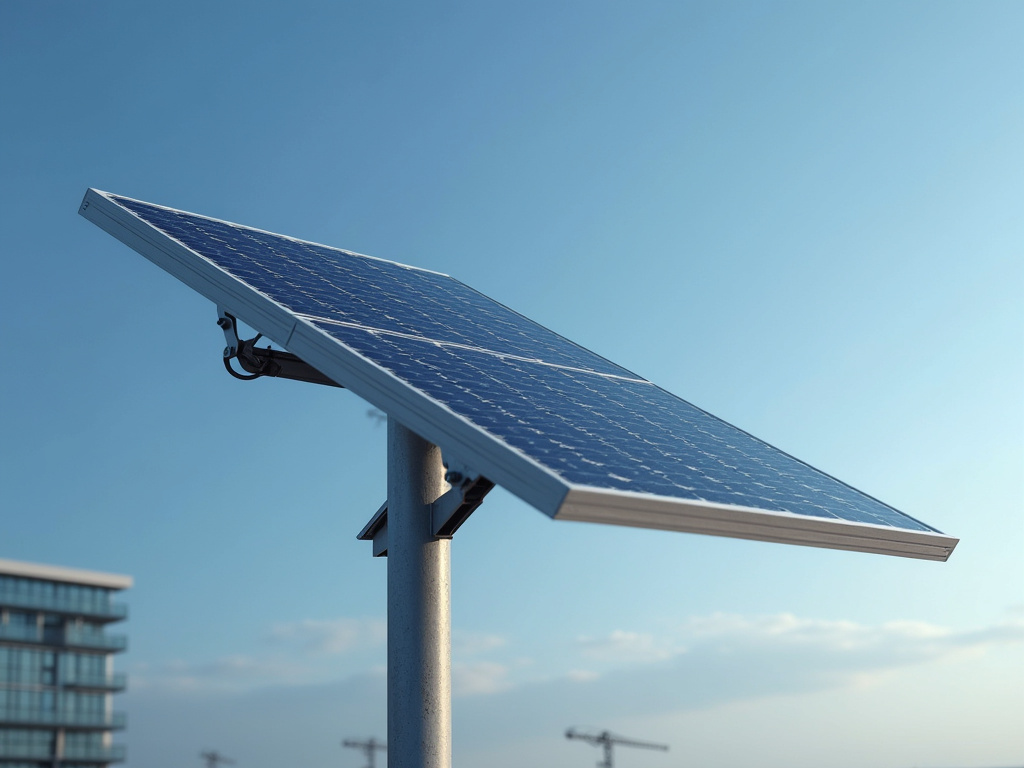
Understanding Municipal Solar Lighting: Benefits and Implementation
Municipal Solar Lighting offers a sustainable and cost-effective solution for urban areas, transforming public spaces with both functionality and environmental consciousness. Its benefits extend far beyond simple energy savings; it contributes to reduced carbon footprints, improved air quality, and enhanced safety for communities. What exactly does this entail? Municipal Solar Lighting systems harness the power of the sun to illuminate streets, parks, and other public infrastructure, eliminating the reliance on traditional grid-connected electricity. This shift is significant, as it reduces not only greenhouse gas emissions but also the strain on local power grids.
Implementing Municipal Solar Lighting involves careful planning and consideration of various factors. One of the key advantages is the potential for long-term cost savings. While the initial investment may be substantial, with prices ranging from a few thousand to tens of thousands of dollars per installation, depending on size and complexity, the systems pay for themselves over time. Studies show that municipalities can expect a payback period of 3 to 8 years, depending on factors like local sunlight exposure, energy usage patterns, and maintenance costs. It’s important to note that the actual cost of Municipal Solar Lighting can vary, and what to expect may differ based on the project’s scale and geographic location.
Moreover, the benefits extend beyond financial savings. Solar-powered streetlights offer 24/7 lighting solutions, enhancing public safety and security. They also contribute to improved urban aesthetics, as uniform lighting throughout the city can create a more welcoming and secure environment. For instance, London’s Streetlight Project, which retrofitted traditional streetlights with solar-powered models, resulted in reduced carbon emissions and a more consistent lighting experience across the city. When considering whether your municipality actually needs Municipal Solar Lighting, assess current energy consumption, identify areas with insufficient lighting, and evaluate the potential environmental and financial impact.
Design and Installation: Creating Sustainable Lighting Solutions
Design and Installation play a pivotal role in creating effective and sustainable Municipal Solar Lighting solutions. The process begins with meticulous planning, where careful consideration is given to the location’s unique characteristics, including lighting requirements, weather patterns, and available space. Each aspect must align with the goal of maximizing solar energy absorption while ensuring the lights are aesthetically pleasing and functional. For instance, designing streetlights for a densely populated urban area differs from rural landscapes; the former requires efficient, focused lighting to reduce light pollution, whereas the latter might benefit from broader illumination patterns.
Choosing the right Municipal Solar Lighting provider is a critical step that can significantly impact the project’s success. It involves evaluating their expertise, experience, and the quality of their products. Reputable providers should offer customized solutions tailored to local needs and environmental conditions. For instance, some companies specialize in off-grid systems for remote areas, while others focus on smart lighting integrations for cities aiming to enhance energy efficiency. During the selection process, it’s essential to assess their track record, licensing, and after-sales support to avoid potential pitfalls.
The Municipal Solar Lighting installation process involves several key stages. First, site assessment and preparation ensure the area is ready for the new infrastructure. This includes examining the existing lighting system, if any, and planning for cable routing and pole placement. Next, the solar panels are installed, strategically positioned to capture optimal sunlight. This step often requires specialized equipment and knowledge to achieve the best angle and orientation. Following this, the lights themselves are fitted, ensuring they meet local regulations and safety standards. Regular maintenance checks post-installation are vital to guarantee longevity and performance, addressing any issues promptly to prevent system failures.
However, there are common challenges to avoid when implementing Municipal Solar Lighting. One significant problem is inadequate design tailored to the specific location, which can lead to underperforming systems. For instance, poorly designed panels might cast uneven shadows during certain times of the day, reducing overall efficiency. Additionally, neglecting regular maintenance can cause system failures and energy waste. It’s crucial to choose providers who offer comprehensive support throughout the project lifecycle, including ongoing maintenance contracts, to ensure optimal performance and return on investment. By understanding these considerations, municipalities can embark on a successful journey towards sustainable lighting solutions.
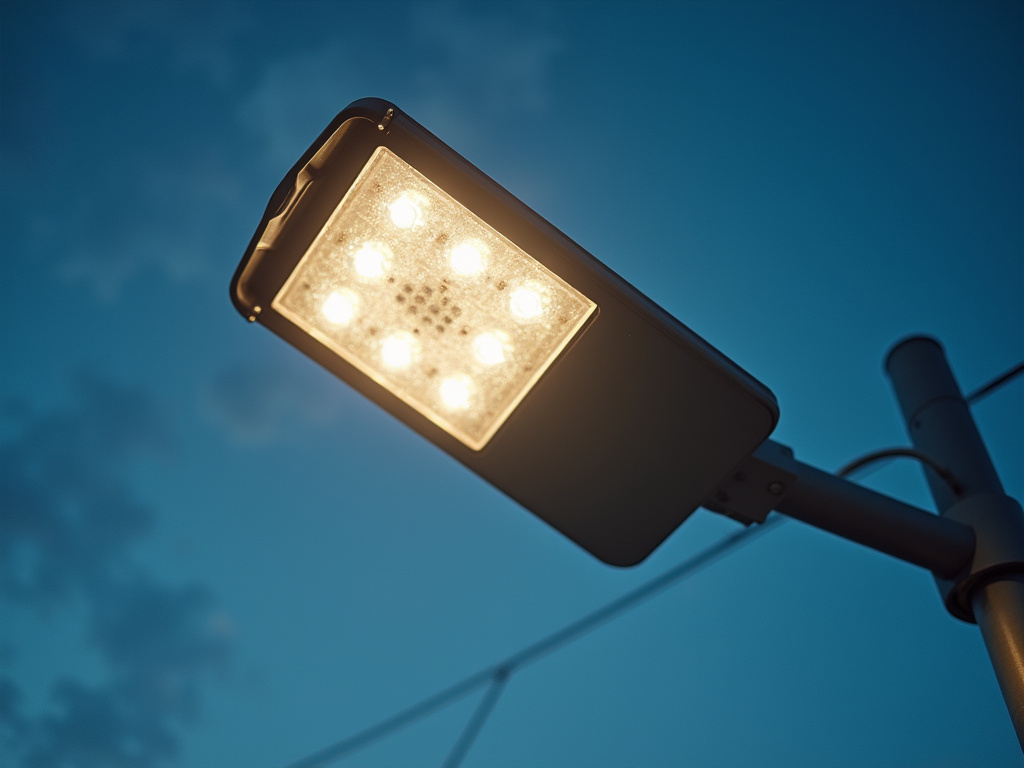
| Factor | What to know |
|---|---|
| Payback period | 3 to 8 years depending on sunlight and usage |
| Installation cost | Ranges from a few thousand to tens of thousands of dollars |
| Maintenance needs | Highly durable, minimal maintenance, reduced operational expenses |
| Design considerations | Tailor lighting to urban vs rural location and weather |
| Provider selection | Check expertise, track record, licensing, and after-sales support |
| Community engagement | Education and buy-in needed for successful implementation |
Maintaining and Optimizing: Long-Term Success Strategies
Maintaining and optimizing municipal solar lighting systems is crucial for ensuring their long-term success and sustainability. The initial installation is just the first step; regular care and strategic adjustments are essential to maximize the environmental and economic benefits. One key aspect to consider is the how much does Municipal Solar Lighting cost over time, as well as what Municipal Solar Lighting includes in terms of components, maintenance contracts, and potential energy savings. Regular inspections, cleaning, and component replacements are typically required. For instance, solar panels should be cleared of debris and maintained to ensure optimal sunlight absorption.
A comprehensive maintenance plan should address several key areas, including the lighting fixtures, solar panels, and control systems. What does Municipal Solar Lighting include? often depends on the specific setup and contractor, but generally encompasses the hardware, installation, and ongoing support. Before hiring a provider, it’s essential to ask Municipal Solar Lighting vendors about their maintenance processes, warranty coverage, and track record of successful deployments. Questions such as "What kind of maintenance agreements do you offer?" or "Can you provide examples of successful long-term solar lighting projects in similar settings?" can help elucidate their capabilities and commitment to client satisfaction.
Data from case studies and industry reports highlight the significant long-term savings potential of municipal solar lighting. According to a recent study, well-maintained solar lighting systems can reduce energy costs by up to 75% compared to traditional fossil fuel-powered lighting. However, achieving these savings requires proactive optimization strategies. This includes adjusting lighting schedules based on seasonal changes, ensuring proper orientation and angle of solar panels, and integrating smart control systems that optimize energy use. By adopting these strategies, municipalities can not only extend the lifespan of their solar lighting systems but also contribute to a more sustainable and environmentally friendly urban landscape.
Frequently Asked Questions About Municipal Solar Lighting
What is municipal solar lighting?
Municipal solar lighting refers to the use of solar energy to power street lights, traffic signals, and other public lighting infrastructure. This sustainable approach leverages photovoltaic panels to convert sunlight into electricity, which is then stored in batteries or used immediately to illuminate these vital urban spaces at night.
How does municipal solar lighting work?
Solar panels installed on light poles or structures capture the sun’s energy during the day. This energy is converted into electricity via photovoltaic cells. The generated power can either be used immediately to light the area or stored in batteries for use during periods of low or no sunlight, ensuring consistent illumination throughout the night.
What are the environmental benefits of municipal solar lighting?
Municipal solar lighting significantly reduces a city’s carbon footprint by eliminating the need for electricity generated from fossil fuels. This transition contributes to cleaner air, less pollution, and a decrease in greenhouse gas emissions, helping municipalities meet their sustainability goals and contributing to a greener, more eco-friendly urban environment.
How does municipal solar lighting impact utility bills?
By harnessing the power of the sun, municipal solar lighting can significantly reduce or even eliminate electricity costs for municipalities over time. While initial installation costs may be high, the long-term savings on energy bills make it a cost-effective and financially viable solution for public lighting infrastructure.
Are solar lights as effective as traditional ones?
Modern solar lights are designed to provide ample illumination for urban environments. They employ advanced LED technology, ensuring they outperform many traditional light bulbs in terms of brightness and energy efficiency. Moreover, their automated dimming features adapt to changing conditions, enhancing safety and visibility while conserving energy.
Can solar lighting systems be maintained remotely?
Yes, many modern municipal solar lighting systems incorporate smart technology that allows for remote monitoring and control. This capability enables maintenance teams to identify issues, track performance metrics, and manage the system’s overall health from a centralized location, streamlining operations and reducing response times.
How long does it take for a municipal solar lighting project to pay for itself?
The payback period for municipal solar lighting projects varies depending on factors like initial investment, energy savings, and local utility rates. However, with steadily increasing energy costs and improvements in technology efficiency, many systems can recoup their costs within 5-10 years, making them a sound long-term investment for cities.
Municipal Solar Lighting offers a sustainable and cost-effective solution for urban areas, harnessing the power of the sun to illuminate public spaces. By understanding its benefits, such as reduced energy costs and environmental impact, communities can implement these systems effectively through careful design and strategic placement. Proper installation ensures optimal performance, while regular maintenance and technology advancements enable long-term success. Key takeaways include prioritizing efficient lighting designs, utilizing innovative technologies, and fostering community buy-in for a truly sustainable Municipal Solar Lighting future. Moving forward, cities can embrace this renewable energy source to create vibrant, eco-friendly, and well-lit public environments that enhance quality of life.