
Key Takeaways
- Municipal solar lighting offers a sustainable and cost-effective solution to traditional street lighting, reducing energy consumption and carbon emissions.
- Initial investment costs can be high, but long-term savings on energy bills make it a financially viable option for cities.
- Solar panels must be strategically placed with consideration for sun exposure and maintenance accessibility for optimal performance.
- Integrating solar lighting into existing infrastructure requires careful planning and potential upgrades to accommodate new technology.
- Public perception and community engagement are crucial for successful implementation, emphasizing environmental benefits and aesthetic appeal.
- Remote monitoring systems can maximize efficiency and reduce maintenance costs by enabling quick issue resolution without on-site visits.
- Solar street lights have proven effective in enhancing safety and security while promoting a greener urban environment.
At a glanceMunicipal Solar Lighting is a sustainable solution where solar panels power street lights, reducing energy costs and carbon footprints. This renewable approach enhances urban lighting while contributing to greener communities and promoting environmental stewardship.
As cities worldwide strive for sustainability and reduced carbon footprints, Municipal Solar Lighting emerges as a game-changer in urban infrastructure. The shift towards renewable energy sources has led to innovative solutions in street lighting, offering not only environmental benefits but also improved public safety and aesthetic appeal. Traditional lighting systems’ reliance on fossil fuels contributes significantly to greenhouse gas emissions, making them a target for cost-effective and eco-friendly alternatives. Municipal Solar Lighting provides a viable path toward achieving these goals by harnessing the power of the sun, ensuring efficient, clean, and reliable illumination for our urban spaces.
Municipal Solar Lighting in : Where to Start
Looking for municipal solar lighting in ? Solar Path USA serves the local area and can answer questions specific to .
Understanding the Benefits of Municipal Solar Lighting
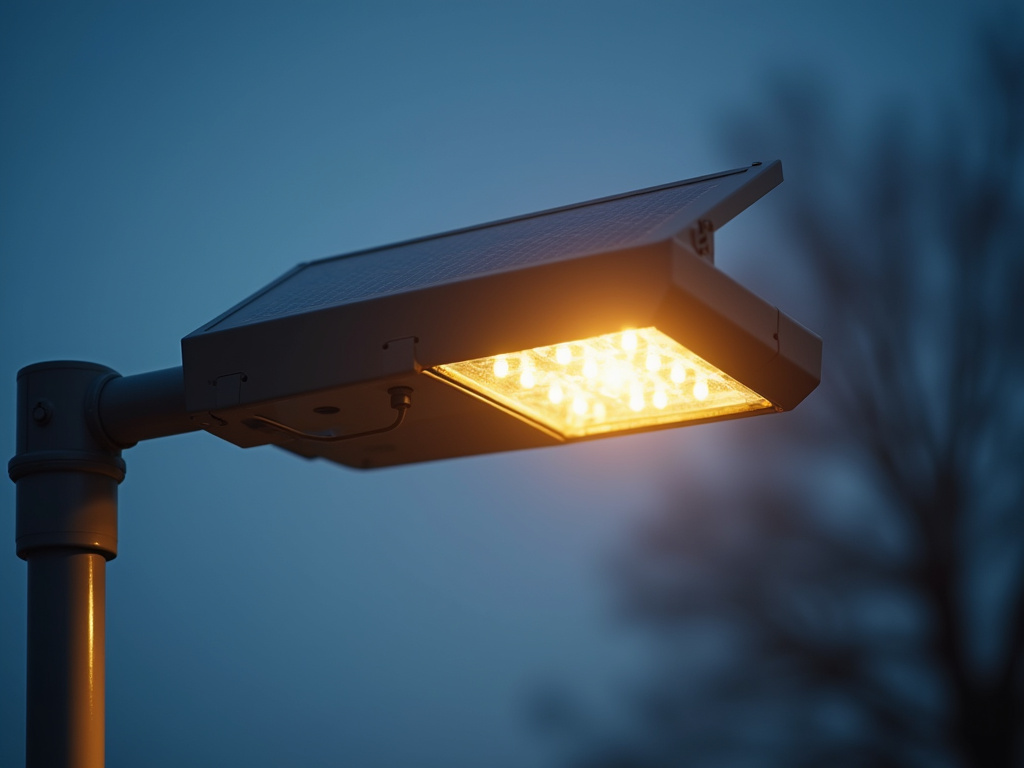
Municipal Solar Lighting offers a sustainable and cost-effective solution for illuminating our cities and towns. Beyond environmental benefits, there’s a compelling case to be made for its widespread adoption. Understanding the advantages of municipal solar lighting is crucial for urban planners, local governments, and citizens alike. It isn’t merely an alternative; it’s a necessary step towards smarter, more resilient cities.
The benefits extend far beyond energy savings. Solar-powered streetlights can significantly enhance public safety by providing clear, consistent lighting throughout the night. They offer a reliable backup during power outages, ensuring critical services and infrastructure remain operational. Moreover, advanced solar lighting systems integrate with smart city technologies, allowing for real-time monitoring, efficient maintenance scheduling, and even data collection capabilities. Imagine streets illuminated not just for visibility but also as part of an intelligent network that contributes to urban management efficiency.
Choosing the right municipal solar lighting system is paramount. Key considerations include light output, panel efficiency, battery storage capacity, and integration with existing infrastructure. High-efficiency panels, durable designs, and long-life batteries are hallmarks of quality systems. It’s also important to assess specific energy needs and local weather conditions to ensure optimal performance. For instance, areas with higher solar irradiance can leverage more compact, efficient designs, while regions experiencing frequent power cuts may require robust backup battery solutions. As the market evolves, staying informed about innovations in technology and design becomes crucial for making informed decisions that best serve community needs.
Implementing Solar Lighting: A Step-by-Step Guide
Implementing Municipal Solar Lighting: A Step-by-Step Guide
The transition to Municipal Solar Lighting represents a significant step towards sustainable urban infrastructure. However, the process can be complex, involving careful planning, cost considerations, and strategic implementation. This guide offers an in-depth look at the steps involved in successfully integrating solar lighting into municipal areas, highlighting what problems to avoid and providing practical insights based on expert experience.
The first step is site assessment, where professionals meticulously evaluate existing lighting needs, sunlight exposure, and potential shadowing from surrounding structures. For instance, a thorough analysis of a city square would consider foot traffic patterns, safety concerns, and the aesthetic requirements that define its unique character. This assessment is crucial for determining the most effective placement of solar panels and lighting fixtures, ensuring optimal energy generation and illumination.
Cost is a central consideration in Municipal Solar Lighting. While initial investments can be substantial, long-term savings and environmental benefits make the switch attractive. According to recent studies, LED solar street lights can save municipalities up to 75% on energy costs compared to traditional lighting. However, it’s essential to navigate the financial landscape carefully, exploring grants, incentives, and financing options to mitigate upfront costs. A well-planned implementation strategy, balancing upfront expenditure with long-term savings, ensures the project remains budget-friendly and sustainable.
The Municipal Solar Lighting process involves several key stages. After the site assessment, engineers design a customized lighting plan, selecting the right equipment, including solar panels, batteries (where off-grid systems are employed), and lighting fixtures. Installation then commences, requiring skilled labor to ensure the safety and efficiency of the system. Regular maintenance is equally vital to guarantee optimal performance and longevity. This includes cleaning panels, inspecting wiring, and replacing worn-out components. By addressing these aspects proactively, municipalities can ensure their solar lighting systems remain effective contributors to energy conservation and sustainable urban living for years to come.
The Future of Urban Illumination: Trends and Innovations
The future of urban illumination is bright, powered by innovative trends and technologies that are reshaping how cities light their public spaces. At the forefront of this revolution is municipal solar lighting, which offers a sustainable and cost-effective alternative to traditional energy-guzzling systems. The signs you need Municipal Solar Lighting are clear: soaring energy costs, environmental concerns, and the desire for more resilient and smart city infrastructure. By harnessing the power of the sun, municipalities can reduce their carbon footprint, lower operational expenses, and enhance the safety and aesthetics of public areas.
What sets Municipal Solar Lighting apart is its comprehensive approach to urban illumination. It includes not just solar panels that generate electricity but also advanced LED lighting systems that are highly efficient and long-lasting. This integration ensures optimal energy conversion and distribution, allowing for brighter, more consistent lighting throughout the night. For instance, cities like San Francisco have successfully implemented Municipal Solar Lighting in streetlights, park fixtures, and traffic signs, leading to significant reductions in greenhouse gas emissions and electricity bills.
However, Municipal Solar Lighting is not a one-size-fits-all solution. Alternatives exist, each with its unique advantages and challenges. Traditional electric lighting remains an option but struggles to compete with the cost savings and environmental benefits of solar-powered systems. Another alternative is wind or hybrid energy solutions, which can be effective in certain contexts but may not always be feasible for all urban environments. To make an informed decision, municipalities should consider factors such as local climate, available space, maintenance requirements, and long-term sustainability goals.
In terms of implementation, Municipal Solar Lighting projects require careful planning and strategic partnerships. Cities should assess their current lighting infrastructure and identify areas for improvement. Engaging with expert consultants and leveraging advanced technologies like smart meters and IoT sensors can optimize energy management and ensure the system’s longevity. By embracing these innovations, urban centers can look forward to safer, more vibrant nights—all while contributing to a greener planet.
Frequently Asked Questions About Municipal Solar Lighting
What is municipal solar lighting?
Municipal solar lighting utilizes renewable energy from the sun to power streetlights, traffic signals, and other public lighting infrastructure. This eco-friendly approach reduces greenhouse gas emissions, lowers energy costs, and enhances a city’s sustainability profile.
How does municipal solar lighting work?
Solar panels installed on light poles or other structures capture sunlight during the day. These panels convert sunlight into electricity, which is stored in batteries or fed directly into the local power grid. At night, the stored energy powers the lighting systems, minimizing reliance on traditional grid electricity.
What are the environmental benefits of municipal solar lighting?
Municipal solar lighting significantly reduces a city’s carbon footprint by eliminating or significantly decreasing the consumption of fossil fuels for lighting. This shift to renewable energy contributes to global efforts to combat climate change, improves air quality, and helps meet sustainability goals.
Are solar-powered streetlights cost-effective?
Yes, while the initial installation costs can be high, solar streetlights offer long-term savings. Lower energy bills, reduced maintenance, and the potential for utility rebates or incentives make them a cost-effective solution for municipalities looking to optimize their lighting infrastructure.
Can solar lighting be reliable in all weather conditions?
Solar lighting systems are designed to operate in various weather conditions, including rain, snow, and cloud cover. Modern panels and batteries have advanced to handle these variables, ensuring reliable performance throughout the year. Regular cleaning and maintenance can further enhance their efficiency.
How do solar lights contribute to public safety?
Well-lit public spaces enhance safety and security for residents and visitors. Municipal solar lighting ensures consistent illumination, reducing crime rates and making neighborhoods feel more secure. Additionally, some systems incorporate motion sensors, further promoting energy efficiency and safety.
What are the key considerations for implementing solar lighting in a city?
Implementing municipal solar lighting requires careful planning. Factors include assessing existing infrastructure, evaluating shading, selecting appropriate panel types, ensuring battery life, and considering maintenance and monitoring. Consulting with experts and reviewing successful case studies can guide a city in making informed decisions.
Municipal Solar Lighting offers a sustainable and cost-effective solution for urban areas, combining environmental benefits with enhanced safety and aesthetic appeal. The article’s key insights underscore the significant advantages of adopting solar-powered lighting infrastructure. By implementing these systems, municipalities can reduce carbon footprints, lower energy costs, and create well-lit, secure public spaces. The step-by-step guide provided offers a practical roadmap for successful integration, while the exploration of future trends ensures that this technology remains at the forefront of urban innovation. Armed with this knowledge, cities can take decisive actions to transition to cleaner, more efficient Municipal Solar Lighting systems, reaping both immediate and long-term rewards.