
To qualify for Municipal Solar Lighting, you need to meet specific criteria such as having a clear, unobstructed area for panel installation, being within a supported municipality, and potentially demonstrating the environmental benefits of switching to solar power. Check local guidelines for exact requirements.
Key Takeaways
Access to sunlight is crucial: Solar lighting is most effective in areas with consistent, unobstructed access to direct sunlight.
Local government support is essential: Many municipalities offer incentives and grants to encourage the adoption of solar lighting.
Infrastructure compatibility is key: Ensure your community’s existing electrical grid and infrastructure can support the integration of solar-powered lighting systems.
Public awareness and engagement: Educate and involve residents to gain buy-in and encourage responsible energy usage.
Long-term cost savings: While initial installation costs can be high, solar lighting offers significant energy savings over time.
Environmental benefits: Municipal solar lighting reduces carbon footprints and contributes to sustainable urban development.
Technological advancements: Keep abreast of innovations in solar panel efficiency and lighting technology for optimal solutions.
The transition to sustainable energy solutions has become a global imperative, and Municipal Solar Lighting (MSL) is at the forefront of this movement. As cities seek to reduce their carbon footprints and enhance public safety, MSL offers a promising avenue. However, qualifying for such initiatives can be complex, involving various factors from infrastructure to financial considerations. This article provides an in-depth exploration of the criteria and requirements, guiding municipal authorities and stakeholders through the process. By understanding these key aspects, we can facilitate the adoption of solar lighting, contributing to more sustainable and resilient urban environments.

Working With a Trusted lighting in
Looking for municipal solar lighting in , ? the team at Solar Path USA serves the local area and can answer questions specific to .
- Understanding Municipal Solar Lighting Requirements
- Eligibility Criteria for Solar Lighting Installation
- Steps to Secure Funding for Your Project
Understanding Municipal Solar Lighting Requirements
Understanding Municipal Solar Lighting Requirements
To qualify for and successfully implement Municipal Solar Lighting, several key factors and requirements must be considered. Firstly, it’s crucial to understand that these lighting systems are designed to not only reduce carbon footprints but also enhance urban aesthetics and safety. What do you need to qualify for Municipal Solar Lighting? The process begins with a comprehensive assessment of your city’s energy consumption patterns and existing infrastructure. This involves analyzing the current lighting setup, identifying areas with high energy usage, and assessing the potential for solar energy integration. For instance, a city with a significant portion of street lights that operate 24/7 presents a prime opportunity for Municipal Solar Lighting.
What to expect from Municipal Solar Lighting? These systems are tailored to meet the unique needs of urban environments, offering efficient, cost-effective, and environmentally friendly lighting solutions. Signs you need Municipal Solar Lighting include high energy bills, frequent maintenance issues with traditional lighting, and a desire to reduce the city’s carbon footprint. According to recent studies, cities that have adopted Municipal Solar Lighting have seen energy savings of up to 50% and significant reductions in greenhouse gas emissions.
The implementation process involves several steps, from designing and installing solar panels to integrating them with the existing lighting network. It’s essential to work with expert providers who can offer tailored solutions and ensure compliance with local regulations. Actionable advice includes conducting a detailed energy audit, exploring incentives and rebates available for renewable energy projects, and engaging the community to build support for the initiative. By addressing these requirements and expectations, cities can successfully transition to Municipal Solar Lighting, reaping both environmental and economic benefits.
Eligibility Criteria for Solar Lighting Installation
Municipal Solar Lighting is a sustainable solution gaining traction across urban areas, offering an environmentally friendly alternative to traditional lighting methods. However, qualifying for such projects involves understanding specific eligibility criteria. When considering municipal solar lighting, several factors come into play, ensuring that both property owners and local governments are on the same page regarding this green initiative.
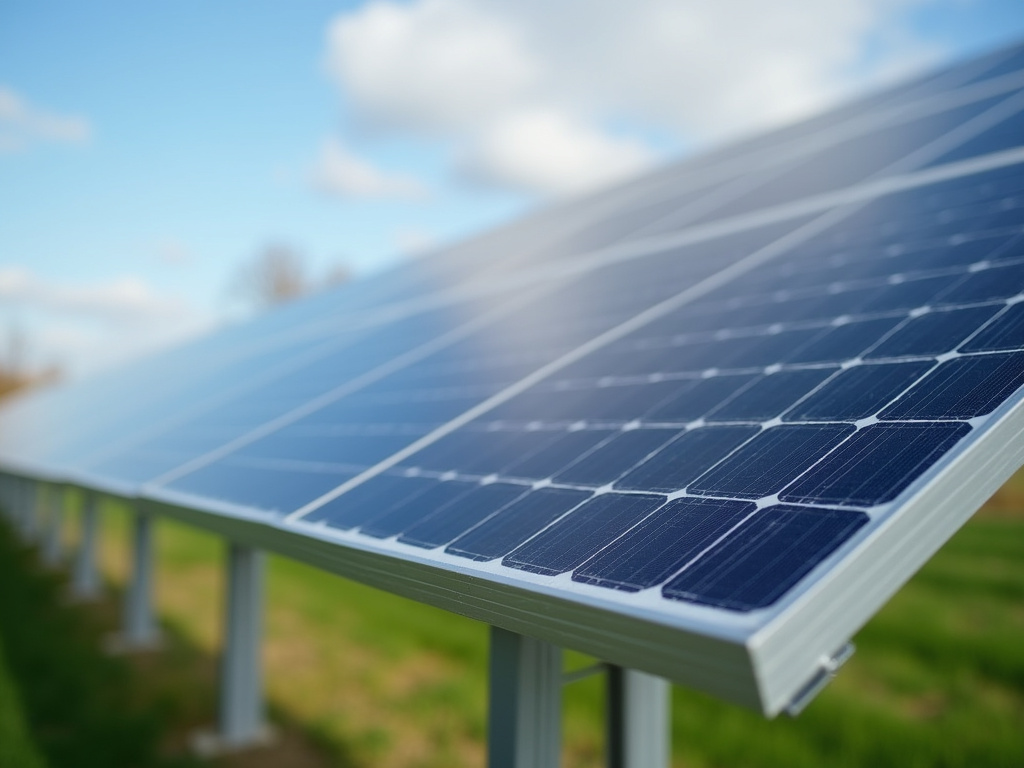
Eligibility for municipal solar lighting projects typically depends on a combination of factors, including the physical location, infrastructure, and environmental considerations. Firstly, the area in question should have adequate sunlight exposure throughout the year to maximize the efficiency of solar panels. This means evaluating the local climate and ensuring that shading from nearby structures or trees does not significantly impede sunlight reach. Many cities conduct site assessments to determine the viability of solar energy capture. Secondly, the municipality must have established guidelines and policies facilitating solar lighting installations, including any necessary permits and incentives. Some regions offer financial grants or tax benefits to encourage the adoption of renewable energy sources, making it easier for property owners to invest in municipal solar lighting.
The scope of municipal solar lighting projects can vary widely. It typically includes the installation of solar panels, charging stations, and LED lighting fixtures powered by the generated electricity. These systems can be designed for various purposes, such as street lighting, parking lot illumination, or even aesthetic lighting in public spaces. For instance, a successful implementation might involve retrofitting existing streetlights with energy-efficient solar-powered alternatives, reducing the municipality’s carbon footprint and operational costs. Property owners considering municipal solar lighting should consult local authorities to understand the specific requirements and benefits tailored to their region, ensuring a well-informed decision in this ever-evolving field of sustainable urban development.
Steps to Secure Funding for Your Project
Securing funding is a critical step in bringing your Municipal Solar Lighting project to life. This type of initiative often requires substantial capital investment, so a well-planned financial strategy is essential. The first step is to assess your project’s potential impact and cost-effectiveness. Is Municipal Solar Lighting worth the investment? Absolutely, according to recent studies, with many municipalities reporting significant energy savings and reduced carbon footprints. These projects can also enhance community safety and aesthetics, making them attractive to both residents and investors.
To choose the right approach for Municipal Solar Lighting, consider your local needs and goals. Does your area struggle with energy efficiency targets or face challenges related to light pollution? Tailoring your project to these specific issues will increase its likelihood of success. For example, a well-designed lighting strategy can reduce energy consumption by up to 50% in urban areas, making it a game-changer for cash-strapped municipalities. Once you have a clear vision, create detailed plans and specifications. This includes selecting the appropriate technology, estimating costs, and identifying potential funding sources. Many governments offer grants and incentives for renewable energy projects, so thoroughly researching these options is crucial.
Next, build partnerships with local businesses or energy providers that may be interested in co-funding or investing in your project. Presenting a comprehensive proposal highlighting the environmental and economic benefits can secure their support. Additionally, consider crowd-funding or community investment models to involve residents directly. This not only helps to offset costs but also fosters a sense of ownership among the local population. Remember, Municipal Solar Lighting is more than just installing solar panels; it’s about transforming communities and creating a sustainable future. By following these steps, you’ll be well on your way to securing the necessary funding for a successful project.
Frequently Asked Questions About What do you need to qualify for Municipal Solar Lighting?
What is considered a suitable location for municipal solar lighting?
Municipal solar lighting projects typically target areas with high sunlight exposure, such as roads, parking lots, and public spaces. Suitable locations should have minimal shading from trees or buildings during the day, ensuring optimal energy generation. A clear view of the sky is essential for effective solar panel performance.
What type of infrastructure is required?
The primary requirement is a robust and reliable electrical grid connection to distribute the generated power. This includes access to main power lines and suitable substations. Additionally, structural support like poles or mounting systems is needed to install solar panels at the chosen locations.
How do I ensure my community is ready for solar lighting?
Community engagement and education are crucial. Inform residents about the benefits of solar lighting, including cost savings and environmental advantages. Conduct surveys to gauge interest and identify specific lighting needs. Collaborate with local authorities to assess existing infrastructure and plan implementation, ensuring a smooth transition.
What are the financial considerations for municipalities?
Municipalities can explore various funding options, such as government grants, private investments, or public-private partnerships. Solar lighting projects can be cost-effective over time due to reduced maintenance and energy bills. Long-term savings, coupled with potential revenue generation from excess energy, make solar an attractive investment for municipalities.
Can existing streetlights be converted to solar?
Yes, many traditional streetlights can be retrofitted with solar panels. This process involves replacing the existing lighting fixtures or installing solar-powered units in place of conventional ones. The key is to ensure the new system aligns with local regulations and power requirements for safe and efficient operation.
What environmental benefits does municipal solar lighting offer?
Solar lighting reduces a municipality’s carbon footprint by minimizing reliance on fossil fuels for energy. It contributes to air quality improvement and can help meet sustainability goals. Additionally, it provides an opportunity to educate communities about renewable energy, fostering a more environmentally conscious society.
Municipal Solar Lighting is a sustainable solution that requires a comprehensive understanding of local regulations and eligibility guidelines. By familiarizing yourself with the specific requirements, you can navigate the path to successful implementation. The article has outlined crucial steps, from recognizing the potential benefits to securing funding, ensuring your project’s viability. Key takeaways include recognizing that while initial costs may be high, long-term savings and environmental benefits make Municipal Solar Lighting a compelling choice. Additionally, seeking expert advice and staying informed about local incentives can significantly enhance your project’s prospects. Moving forward, individuals and municipalities alike can harness the power of solar energy to create brighter, more sustainable futures.