
At a glanceMunicipal Solar Lighting offers environmentally friendly street lighting with reduced energy costs and maintenance. Expect brighter nights thanks to efficient LED lights powered solely by solar panels, installed in strategic locations across urban areas for 24/7 illumination without reliance on traditional grid power.
Key Takeaways
- Municipal solar lighting offers a sustainable and cost-effective solution for urban areas, reducing reliance on traditional energy sources.
- The technology’s efficiency varies based on location, with optimal sunlight exposure enhancing energy production.
- Solar-powered streetlights can significantly reduce carbon emissions and lower maintenance costs over time.
- Proper planning and design are crucial to ensure optimal lighting levels and minimize light pollution.
- Local governments can leverage solar lighting to enhance public safety and improve the overall quality of life in communities.
- Community engagement and education play a vital role in promoting acceptance and understanding of solar lighting initiatives.
- As technology advances, expected lifespans and performance of solar lights continue to improve, making them an increasingly viable option.
With the global push for sustainable energy solutions, Municipal Solar Lighting has emerged as a transformative technology, offering cities an environmentally friendly and cost-effective alternative to traditional street lighting. As urban areas seek ways to reduce their carbon footprint, this renewable approach promises not only significant energy savings but also enhanced safety and aesthetic appeal. However, understanding what to expect from such implementations is crucial for successful integration. This article delves into the multifaceted benefits, challenges, and considerations surrounding Municipal Solar Lighting, providing insights that can guide urban planners and residents alike toward a brighter, greener future.

Municipal Solar Lighting in : Where to Start
Looking for municipal solar lighting in ? the team at Solar Path USA serves the local area and can answer questions specific to .
Understanding Municipal Solar Lighting: Basics and Benefits
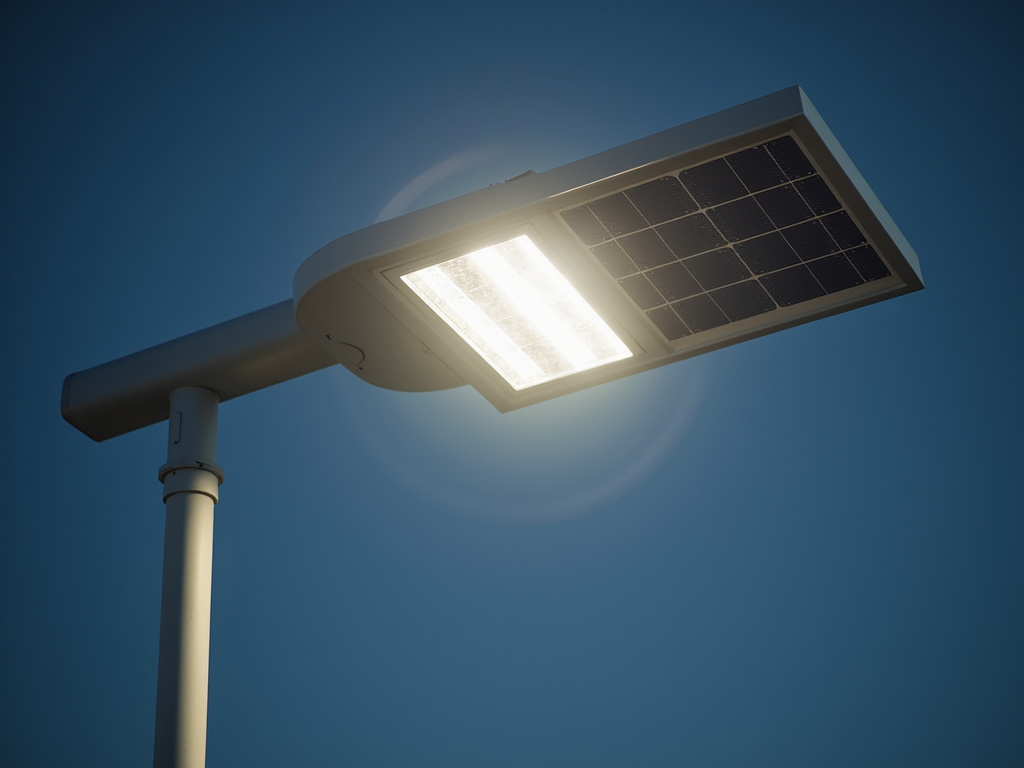
Municipal Solar Lighting offers a sustainable and cost-effective solution for urban areas, transforming public spaces with both functionality and environmental benefits. At its core, Municipal Solar Lighting leverages solar panels integrated into streetlights or other urban furniture to harness renewable energy from the sun. This innovative approach eliminates the reliance on conventional grid electricity, reducing carbon emissions and contributing to cities’ green initiatives. By utilizing daylight hours for energy generation, these systems can significantly lower operational costs for municipalities over time.
The process typically involves careful planning and design. Before installation, it’s crucial to assess a location’s solar exposure, shading potential, and maintenance requirements. Proper placement of solar panels is key to ensuring optimal energy production. Questions like "What areas receive the most direct sunlight?" and "Are there any structures or trees that might cast shadows?" are essential considerations. Once designed, the system captures sunlight during the day, storing excess energy in batteries for nighttime use. This ensures consistent lighting even on cloudy days or during power outages.
However, challenges such as initial implementation costs and potential maintenance complexities should not be overlooked. What problems should you avoid? Well, one common pitfall is inadequate site assessment, leading to inefficient panel placement. It’s also important to consider the longevity of the system; regular cleaning and maintenance are necessary to ensure optimal performance. Before hiring a Municipal Solar Lighting provider, ask about warranty coverage, energy yield guarantees, and their experience in similar projects. For instance, a reputable vendor might offer a 25-year warranty on panels and an 10-year guarantee on performance, demonstrating their confidence in the system’s durability and efficiency.
| Factor | What to know |
|---|---|
| Power source | Solar panels charge batteries for 24/7 illumination without grid reliance |
| Site assessment | Evaluate sunlight exposure, shading, pole height, and spacing before installation |
| Installation steps | Secure permits, mount panels, wire systems, then test functionality |
| Maintenance needs | Regular cleaning and inspection; minimal upkeep for long-lasting LEDs |
| Warranty example | Vendor may offer 25-year panel warranty, 10-year performance guarantee |
| Economic benefit | Pay-as-you-go model lowers long-term operational and maintenance costs |
Installation and Maintenance: A Step-by-Step Guide
The installation and maintenance of Municipal Solar Lighting is a multifaceted process designed to ensure these sustainable lighting solutions function optimally for years. Before engaging with a provider, it’s crucial to ask specific questions tailored to your municipality’s needs. Municipal Solar Lighting encompasses not just the solar panels but also the infrastructure, including pole mounting, wiring, and control systems. For instance, understanding local weather patterns and sunlight exposure is vital; regions with consistent high solar irradiance make for more efficient installations.
A step-by-step guide to installation typically begins with site assessment, where professionals evaluate lighting needs, identify suitable locations, and account for factors like pole height and spacing. Next, the team secures necessary permits and handles electrical hookup, ensuring compliance with local regulations. The panels themselves are then meticulously mounted, followed by extensive testing to guarantee functionality. Maintenance involves regular cleaning, inspection for damage or wear, and replacement of components as needed. For example, LED lights used in Municipal Solar Lighting systems require minimal upkeep due to their longevity but still necessitate periodic checks to ensure optimal performance.
While the upfront costs of Municipal Solar Lighting can be a concern, long-term savings make it a compelling option. Many municipalities have successfully implemented these systems with considerable energy and cost reductions. Before adopting, however, do you actually need Municipal Solar Lighting? Careful analysis of existing lighting infrastructure, energy consumption patterns, and local solar potential is essential. This process includes assessing if traditional lighting options are sufficient or if Municipal Solar Lighting offers a genuine improvement in efficiency and sustainability.
Impact and Future: Environmental and Economic Advantages
The impact and future of Municipal Solar Lighting present a compelling narrative of environmental and economic advantages. As cities worldwide strive to reduce their carbon footprints, solar lighting has emerged as a game-changer. This technology offers not just an alternative to conventional energy sources but a sustainable solution with significant long-term benefits. One key advantage lies in its ability to alleviate the strain on municipal budgets. Traditional lighting infrastructure requires substantial upfront investments and ongoing maintenance costs. In contrast, Municipal Solar Lighting systems offer a pay-as-you-go model, where energy generation aligns with energy consumption, reducing financial burdens and operational risks.
Moreover, the environmental benefits are profound. Solar lighting leverages the power of renewable energy, significantly decreasing greenhouse gas emissions and air pollution. This shift is crucial in mitigating climate change and improving urban air quality. For instance, a study by the International Energy Agency (IEA) projects that widespread adoption of solar street lighting could result in global emission reductions of up to 140 million metric tons of CO2 equivalent by 2050. Municipal Solar Lighting also contributes to energy independence and resilience, reducing reliance on non-renewable resources and enhancing a city’s ability to withstand power disruptions.
However, navigating the implementation of Municipal Solar Lighting requires careful consideration to avoid certain pitfalls. Projects must address issues like initial cost overruns, inadequate maintenance plans, and technological obsolescence. To qualify for these projects, municipalities should focus on comprehensive assessments of their existing lighting infrastructure and energy needs. This includes evaluating lighting levels, usage patterns, and potential sites for solar panel installation. A strategic approach, combining expert advice with community input, ensures that Municipal Solar Lighting initiatives are not just technically sound but also socially acceptable and economically viable. Ultimately, embracing this technology is a step towards a greener, more sustainable future for urban spaces.
Frequently Asked Questions About what to expect from Municipal Solar Lighting
What is Municipal Solar Lighting?
Municipal Solar Lighting refers to the adoption of solar-powered lighting systems by local governments and municipalities to illuminate public spaces, roads, and infrastructure. This sustainable approach leverages solar energy to reduce reliance on traditional grid electricity, leading to cost savings, environmental benefits, and improved accessibility.
How does Municipal Solar Lighting work?
Solar lighting systems capture sunlight during the day through photovoltaic (PV) panels and store the energy in batteries. At night, the stored energy is used to power LED lights, ensuring illumination without the need for grid electricity. The systems are designed to be self-sufficient and can operate independently, even in remote areas.
What are the benefits of Municipal Solar Lighting?
Municipal Solar Lighting offers numerous advantages, including reduced carbon footprint, lower maintenance costs, and energy independence. It contributes to a cleaner environment, reduces utility bills for municipalities, and enhances public safety and accessibility. Additionally, solar lights can be easily maintained and replaced, ensuring long-term sustainability.
How do solar lights compare to traditional streetlights?
Solar-powered lights are more efficient and cost-effective in the long term. They require minimal maintenance, have a longer lifespan, and reduce the strain on electrical grids. Traditional streetlights, on the other hand, often rely on fossil fuels and can be more expensive to operate and maintain, especially in remote or hard-to-reach areas.
What is the initial cost of installing Municipal Solar Lighting?
The initial installation cost can vary widely depending on the size and scope of the project, as well as local regulations and incentives. However, many governments and organizations offer grants and subsidies to offset the initial investment, making solar lighting more accessible. Over time, the savings from reduced energy bills can offset the initial costs.
Can solar lights operate during cloudy or rainy days?
Yes, solar lights are designed to store excess energy during sunny days, ensuring they can still operate during cloudy or rainy periods. The amount of energy stored depends on the capacity of the system and local weather patterns. Modern LED lights are also designed to use energy efficiently, maximizing illumination even under less-than-optimal conditions.
Are there any maintenance requirements for Municipal Solar Lighting?
Regular cleaning of the solar panels is essential to maintain optimal performance. Other than that, these systems are designed for minimal maintenance. LED lights typically have a long lifespan, and the entire system is built to withstand harsh weather conditions, reducing the need for frequent repairs or replacements.
Municipal Solar Lighting represents a powerful and sustainable solution for cities worldwide, offering a promising future for cleaner, greener, and more efficient public spaces. By harnessing the sun’s energy, these systems provide not only environmental benefits but also economic advantages, making them a wise investment for municipal authorities. The article has outlined the key aspects, from understanding the basics and benefits to the installation and maintenance processes, and the significant impact on the environment and economy. With its cost-effectiveness, reduced carbon footprint, and low maintenance requirements, Municipal Solar Lighting is a game-changer in urban infrastructure. By adopting these systems, cities can lead the way in sustainable development, ensuring a brighter and more resilient future for generations to come.